

At the Knoxville Zoo a few weeks ago, I watched a scene unfold that so many families will recognize. It was 1 p.m.—prime “tired and hungry” hour. A little boy, about two-and-a-half, was unraveling. His grandfather, clearly overwhelmed, was dragging him along and snapping, “Stop crying,” with the occasional swat and a promise that he’d never bring him to the zoo again. He worried out loud that everyone was staring and judging the child.
What struck me was how the parents around them weren’t judging the child at all—they were worried about how the grandfather was handling it.
One woman even threatened to find security. I stood up and walked over as gently as I could: “Do you think he might like an apple or a snack? I’ve got plenty. I have a two-and-a-half-year-old too—snacks are survival.” The grandfather sighed, “His mom’s inside. He wants her. He doesn’t like spending time alone with me, but he’ll learn.”
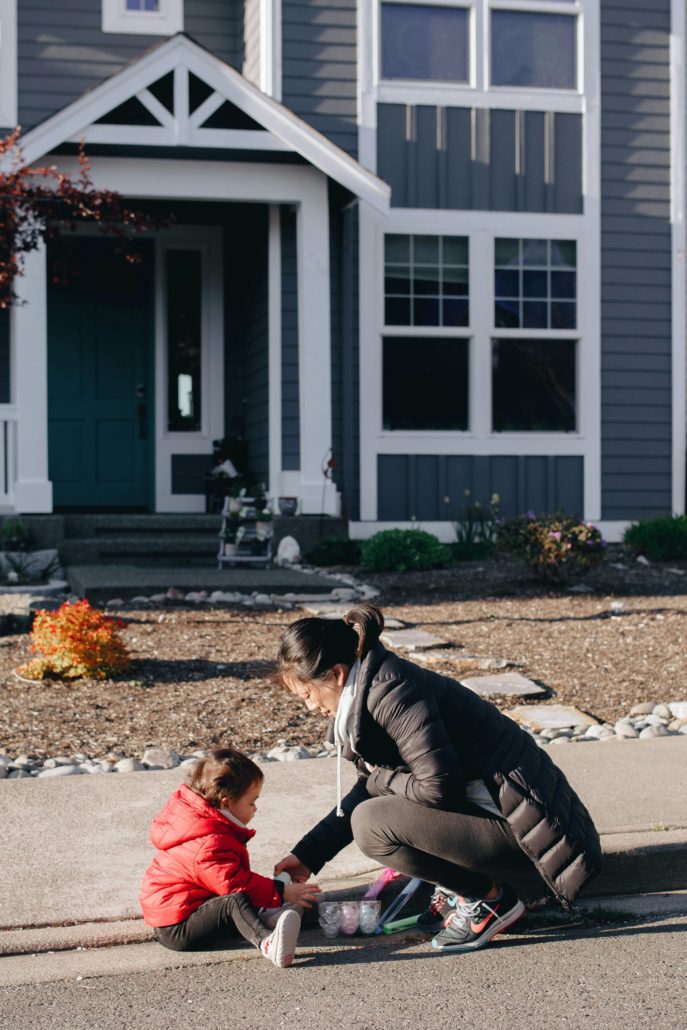
Five minutes later, Mom came out. The child didn’t turn into a robot—he was still spirited and zipping around the patio—but the tone changed. She crouched to his level, asked questions, set simple limits: “Are you finished with your food? Ready to play?” When he scrambled toward a wall, she said, “That’s a big wall. I’m going to hold your hand. I can’t let you go up there by yourself.” No yelling. No shaming. Just connection and clear boundaries.
Before they left, the grandfather circled back to me and said, “Thank you for being kind. Parenting is so different today. I think I got a lot wrong, and I’m not sure how to change.” I told him I understood—and that the fact he wanted to learn already mattered.
That moment captured something important about generational shifts. There’s no condemnation here; people did the best they could with what they knew. Some of us turned out fine, some of us carry scars. But today we know more about brains, stress, and attachment. We know that condemning, shaming, and hitting don’t build the self-control we hope for. When my own family questions our approach, I ask, “If you knew a better way—one that didn’t require yelling or spanking—wouldn’t you want to learn it?” They always say yes. So what is that “different way”?
When we say “discipline,” most of us picture punishment. But the root of the word is “to teach.”
Teaching takes time, repetition, and a steady presence. Think less drill sergeant, less doormat, more coach. A coach sets the vision, offers warmth and structure, and follows through without theatrics. That mix—high warmth, clear limits—builds the inner muscles our kids actually need: self-control, empathy, problem-solving.
Here’s how it sounds in real life. I start with connection because a regulated brain learns and a dysregulated brain defends. Get on their level: “You really wanted to climb. That’s exciting and hard to wait.” Then clarity: “We eat first. Climbing comes after.” It’s amazing how far a concrete, bite-sized instruction will go compared to “Be good.” Finally, consistency: no speeches, no threats about no screens until college. Just the same calm follow-through we always use. If the tablet was misused, it rests until tomorrow. If the wall was the canvas, we grab a sponge together. Over time, that quiet predictability does more teaching than a perfectly worded lecture ever could.
Parents often ask, “So…time-out or time-in?” Use whichever helps your child reset. A time-out framed as “take a minute to get your body calm” can be helpful when it’s brief and predictable. A time-in—where you sit nearby and breathe together—works beautifully for kids who need to borrow your calm. Either way, the goal is the same: build the skill of self-regulation so they can carry it into the next hard moment.
I also love choices within limits.
“You can hop or tiptoe to the bathroom.” “Dessert follows dinner—want your two gummies tonight or save them for tomorrow?” Choices give a sense of control without moving the boundary line. And every so often, I ask for a do-over: “Try that again in a respectful voice.” It’s a tiny reset button that preserves dignity for everyone.
There are a few traps I fall into when I’m tired—the Lecture Loop is my specialty. I can explain for five minutes what my child can absorb in five seconds. When I catch myself monologuing, I switch to short scripts and practice: “Hands aren’t for hitting. Squeeze this pillow.” Threat inflation is another one. “No screens for a month!”—a sentence guaranteed to boomerang. Small, certain consequences beat big, unlikely ones every time. And then there’s Negotiation Nation, where every boundary is up for debate. I try to pair empathy with a firm no: “I hear you want more gummies. The answer is still no. Apple or yogurt?”
Public meltdowns deserve their own paragraph. When we’re in aisle seven and my child goes boneless, embarrassment can make me overreact. These days I whisper and move. “We’re stepping outside to reset.” No audience, no power struggle, just a quick regroup and a fresh start.
Discipline shifts as kids grow, but the heart stays the same. With toddlers, safety and simple routines rule the day. I child-proof, redirect, and give tiny jobs so they can help: “You’re strong—put the spoons in the drawer.” Early elementary kids thrive on visible structure and quick follow-through. I keep a visual schedule, offer limited choices, and circle back after conflict to repair: “I’m sorry I yelled. Next time I’ll use my calm voice, and you’ll keep the markers on paper.” Tweens are ready for ownership. We make plans together: “What’s our homework plan so evenings aren’t chaos?” Privileges are earned and tied to responsibility.
What about big misbehavior? Aggression gets a firm, immediate stop. “I won’t let you hit.” Then I move the other child to safety, help everyone calm down, and require repair—check on the hurt person, grab an ice pack, make a quick “sorry” note. Lying I treat as a skill gap. I praise the truth even when a consequence follows: “Thanks for telling me. Because you were honest, the consequence is shorter.” Sneaking tech or food? I lock the system, not the child. If the tablet didn’t work tonight, it returns tomorrow when we follow the plan.
The secret ingredient in all of this is repair.
After the dust settles, I circle back with a short, simple reset: “I love you. That was a hard moment. Next time I’ll take a breath before I speak, and you’ll put the snacks back the first time I ask.” Repair restores trust, and trust makes the next round of discipline easier.
If you want a quick place to start this week, pick one non-negotiable and enforce it calmly without speeches. Write two go-to lines on a sticky note and use them verbatim when you feel your temperature rising. And catch your child doing something right—anything!—and name it out loud. “You turned off the TV the first time I asked. That’s responsibility.” Kids grow toward the sunlight of what we notice.
That family at the zoo reminded me: discipline isn’t about proving who’s in charge; it’s about showing a child what to do next. It’s not breaking a spirit—it’s building a person.
Lauren Hall is the President and CEO of First Things First. Contact her at lauren@firstthings.org.






Thoughts? Leave a Comment