
Is Grit the Secret Ingredient to Successful Relationships?
How gritty are you?
Is your marriage gritty?
Do you teach your kids to be gritty?
In her book Grit: The Power of Passion and Perseverance, Harvard-trained psychologist and researcher Angela Duckworth examines what it takes to stick things out and accomplish long-term goals.
Grit has everything to do with how we do family relationships.
Don’t mistake grit with talent (which Duckworth describes as the rate at which a person improves a skill). Grit isn’t how intensely you want something. Instead, grit is an attitude. It is a relentless, determined work ethic—despite setbacks, defeats, and hard days.
It’s a “never-give-up” attitude.
Who do you know that is truly gritty? Grit is what drove Thomas Edison to succeed as an inventor. As a boy, teachers said he was “too stupid to learn anything.” Edison was fired from his first two jobs for being “unproductive.” He reportedly experienced 1,000 failed attempts before successfully inventing the lightbulb. (Edison reported that, rather than failing 1,000 times, the lightbulb was an invention with 1,000 steps. Now that’s grit.)
Great things are achievable in ordinary people through gritty determination.
Duckworth quotes sociologist Dan Chambliss, “…the main thing is greatness is doable. Greatness is many, many individual feats, and each of them is doable.“
Grit is more than just a trait for inventors, athletes, or business leaders; grit is a significant family value.
Duckworth’s research points to a high correlation between grit and marital longevity. People with a gritty determination have a can-do attitude toward building a healthy, strong marriage—despite struggles, conflict, and tension. Gritty couples say, “No matter what we have to do, we’re going to make this work. We’re committed to this marriage.” [Note: There are some situations in marriage that are unhealthy and unsafe. “Grit” is NOT enduring a dangerous relationship. See the note at the bottom of the article.]
For parents, the nagging question is, how do you teach grit to your children? Duckworth offers some great answers.
First, grit is best taught with a balanced parenting style. In other words, parents who connect through affection and encouragement, while also creating structure and appropriate expectations, have a parenting style that fosters grit.
It’s a balance between love and support with accountability and parental toughness.
Second, gritty kids want to take after gritty parents. Duckworth explains that “if you want to bring forth grit in your child, first ask how much passion and perseverance you have for your own life goals.”
Third, Duckworth suggests that extracurricular activities are especially beneficial in developing grit in kids. An organized activity requiring a child to overcome challenges or criticism from peers, coaches, or teachers fosters grit. Bad days, lack of energy or motivation can help teach kids to push through and be gritty.
Let’s get practical. Do hard things.
Duckworth shares a very practical strategy for developing grit in her teenage children called the “Hard Thing Rule.” There are three parts:
- Everyone in the family, including the parents, has to do a Hard Thing. A “Hard Thing” is anything that requires deliberate practice. For a parent, in addition to the skills they use at work, it might be yoga, running, or completing a degree. For kids, it might be ballet, piano, or soccer.
- You can quit your Hard Thing. But there’s a catch. You can’t quit until “your season is over, the tuition payment is up, or some other ‘natural’ stopping point has arrived.” In other words, you can’t quit on the day your coach yells at you, or you have to miss a party because you have practice.
- You get to pick your Hard Thing.
As a family and relationship educator, it makes me wonder: If grit was a more common character quality, would we see more successful marriages, healthier parenting styles, and overall relationship satisfaction?
Perhaps it starts with you.
Maybe it means you are more intentional about pressing through your small, doable feats even when you’re not motivated. Maybe you model more grit for your family and lead by example. Perhaps this week, you and your family can pick your Hard Thing to practice.
Don’t be afraid to get your hands gritty.
I’m convinced—and I hope you are, too—grit is a good thing and something we all can use in our family.
Related:
10 Things Healthy, Happy Families Do
How To Encourage A Growth Mindset In Kids
The Blessing Of The Skinned Knee
Got some gritty thoughts on grit? Share them in the comments below!
***If you or someone you know is in an abusive relationship, contact the National Hotline for Domestic Abuse. At this link, you can access a private chat with someone who can help you 24/7. If you fear that someone is monitoring your computer or device, call the hotline 24/7 at 1−800−799−7233. For a clear understanding of what defines an abusive relationship, click here.***
Should You Tell Your Friends and Family about Your Marital Problems?
Have you ever walked over a frozen pond and realized just how thin the ice was? I have. You quickly understand that you need to step… very… carefully.
It’s the same when considering telling your friends and family about your marital problems. One wrong step can mean an icy plunge. It’s slippery, and it’s dangerous.
So should you or shouldn’t you? I wish I could tell you a definite “yes” or “no,” but it’s a complicated question. It depends on several things.
Before you unload your marital issues on someone, you need to ask yourself some essential questions:
1. What is your ultimate goal?
There are good reasons and not so good reasons to disclose the problems happening in your marriage to someone. Are you…
Seeking someone to tell you how you’re contributing to the problem?
Looking for advice from an older, wiser married person who’s been through it?
Looking for someone to point you toward a good marriage counselor?
These can be good reasons. Make sure you are talking to someone you can trust.
Are you…
Just needing to vent and blow off steam?
Looking for someone to agree that you are right and your spouse is wrong?
Looking for permission to keep doing what you’ve been doing in your marriage?
These usually aren’t great reasons. It can be counterproductive and hurt your spouse.
2. Who do you want to tell, and why?
Good listeners know there are three sides to a story: your side, your spouse’s side, and what’s really going on. You don’t need a cheerleader. You need someone willing to listen carefully and be willing to call you out for the part you play.
On the other side of the coin, talking to someone who is naturally going to take your side, like your mother or best friend, isn’t going to help your situation. You’re just making enemies for your spouse. Think about that.
Even worse, let’s say you just want to vent your dirty marriage laundry, and you choose, say, your mother. When the rant is over, you might feel better and move on. But guess who isn’t moving on? That’s right: Mom. This is going to make the next family gathering very awkward.
Consider talking to someone distant enough to be neutral and objective—and who will call you out when necessary and remind you of your core values and goals.
3. What are the possible outcomes that could come from telling someone?
Sure, you might feel better if you vent. But at what price? Will your friend or family member see your spouse in a positive or negative light?
If you tell someone, will the news about your marital problems spread among the family or the friend circle? Could your spouse end up feeling hurt from this? Would you say the same things about your marriage or your spouse if they were standing with you?
4. Are you having a conversation with someone that you should have with your spouse?
Often, we have conversations with other people that we haven’t even had with our spouse. If you haven’t engaged with your spouse to work toward solutions and growth, it’s unfair to do your marriage work with someone else. Do your relationship work with your spouse.
Related: How To Tell If Someone Is Trustworthy
It’s one thing to seek out encouragement and accountability. We need people in our lives who help us recalibrate and refocus. It’s definitely wise to learn from marriage veterans. Be discerning about what you share about your marriage and with whom.
Complaining to people about your spouse or running them down is always out of line.
I know you want to do what’s healthy for your marriage. You want to work through the problems. Give yourself 48 hours to gain a sense of calm and honestly answer the above questions for yourself before you make a decision to tell friends or family about your marital problems. Walk across the thin ice toward your spouse. Honor them with your words no matter who you are talking to. Rule of Thumb: If it’s not constructive, it’s probably destructive.
Related:
How to Find Good Relationship Advice
STAYING TOGETHER: Resist The Urge To Trash Husbands
☆ Have questions about this article? Post them in the comment section below!
***If you or someone you know is in an abusive relationship, contact the National Hotline for Domestic Abuse. At this link, you can access a private chat with someone who can help you 24/7. If you fear that someone is monitoring your computer or device, call the hotline 24/7 at 1−800−799−7233. For a clear understanding of what defines an abusive relationship, click here.***
How To Establish Trust In Marriage From The Start
What’s the difference between a loving, warm marriage and one full of friction and conflict? Trust. There are probably many items on your checklist for having a strong marriage. If there’s one that ought to be at the top of the list, it’s trust.
How do you establish trust in marriage from the start?
1. Trust is built over time.
Trust is built through moments that confirm for your spouse that you are who they think you are. How you respond when someone speaks negatively about your relationship or how you care for each other during a difficult time will either confirm or cause questions about who you are. Don’t be disappointed when you find areas where trust needs to grow, especially early in your marriage. Opportunities will come that will strengthen your trust or give the two of you something to work through.
2. History matters.
Do you trust in your marriage easily? Is it difficult for you to trust? Have things happened in your past that make trusting someone hard? How have your past experiences affected your ability to trust? You want your spouse to have a fair opportunity to be trusted and not be the victim of your past experiences with other people. However, it’s important to be aware that your past is not to be forgotten but to be used as a learning experience. Talking through your ability to trust helps you develop clear expectations. Your past shouldn’t control your ability to trust. Rather, it provides understanding to help build trust.
3. Believe your spouse’s actions.
There’s a saying, “When a person shows you who they are, believe them.” When dating, it’s easy to create a mental image of what you think your spouse will be like once you’re married. This can cause you to ignore the behaviors that give a more accurate picture of each other. Many people have trusted others in spite of all the evidence showing that they are not trustworthy. And other times, you may have withheld trust from people despite the person being extraordinarily trustworthy.
4. Be open and honest about everything.
This includes the big stuff: family, money, in-laws, parenting, the future, and sex. Avoid the temptation to keep secrets and withhold information. Setting aside time to talk honestly about finances or your expectations of the in-laws, for example, is important.
★ As quick as transparency can build trust in marriage, secrecy can betray it.
5. Say what you mean and mean what you say.
Be willing to hold each other accountable for your words and actions. You can’t build trust by telling your partner what they want to hear. If you say you’ll be home from work at six, then follow through. Trust is built when your spouse has confidence that the words you say are true.
Related: How To Tell If Someone Is Trustworthy
6. Admit mistakes.
Don’t let pride get in the way. Trust will not stand if built on the premise of perfection. It’s built on the promise that the two of you have the relationship’s best interest at heart. Admitting your mistakes sends the message that the relationship is more important than you being right.
7. Consider the effects decisions will have on your marriage.
Nearly everything you do will affect both you and your spouse. (There is no I in Us.) Talking through decisions together helps you understand the potential effects. Before making personal commitments, get in the habit of talking to your spouse.
★ Ask the question, “How will this affect you and affect us?”
Establishing a solid foundation of trust in marriage can provide the groundwork to building trust that’s as strong as a 100-year-old oak tree with deep roots. Some foundations aren’t solid. It’s good to know early that a person can’t be trusted. It’s not wise to trust someone to be honest if they continue to build a record of dishonesty. Trust will grow if you’re consistent in your words and actions.
***If you or someone you know is in an abusive relationship, contact the National Hotline for Domestic Abuse. At this link, you can access a private chat with someone who can help you 24/7. If you fear someone is monitoring your computer or device, call the hotline 24/7 at 1−800−799−7233. For a clear understanding of what defines an abusive relationship, click here.***
You see things differently than you used to. You’re living a healthier lifestyle. You go out less. You interact differently with people. You’re investing more time into hobbies.
You love the way you feel—happier, healthier, and less stressed—except in your marriage. Your spouse seems agitated with you which just doesn’t make any sense.
Shouldn’t they be glad you’re improving and becoming a better person?
Your spouse may not see it that way, especially at first. Here’s why!
Feelings of insecurity.
Change often feels threatening. They might feel like you’re moving away from them with all the changes. It might be time to sit down and talk with your spouse about your “why” behind all the changes.
Feeling judged.
If your spouse feels judged by your attitude toward them, it might be time to ask yourself, “Am I actually becoming a better version of myself?”
Feeling Manipulated.
If there’s the slightest feeling you’re trying to change your spouse, you can expect there will be tension.
Related: My Spouse Has Changed.
★ As you grow and continue to better yourself, it will affect your marriage and your family. Naturally, your spouse may see it from a different perspective.
How can you work through it?
Never stop talking to one another.
Regularly talking to your spouse about what’s important to you gives them the chance to support you even if they aren’t “joining” you.
Understand their concerns.
Resist the temptation to get defensive. Put effort into listening to their concerns. Believe the best about your spouse.
Don’t try to change your spouse.
There are strengths in your differences. Their path to becoming the best version of themselves will look different.
People respond to change differently. Through one’s eyes, it’s great and through another set of eyes, it’s potentially destructive. The uncertainty leads to unrest.
The ultimate test is: Does your change have a positive impact on your marriage?
Patience, empathy, and understanding must be the foundations of your communication with each other to help change be seen as growth to better yourselves and your marriage.
***If you or someone you know is in an abusive relationship, contact the National Hotline for Domestic Abuse. At this link, you can access a private chat with someone who can help you 24/7. If you fear that someone is monitoring your computer or device, call the hotline 24/7 at 1−800−799−7233. For a clear understanding of what defines an abusive relationship, click here.***
5 Common Problems in Marriage
There are lots of things that can make your marriage great. Inevitably, your marriage will run into some bumps and cracks in the road that can cause problems. Those problems don’t have to become craters in your journey. Awareness of common marital issues can help you avoid many of them. It can also prepare you to work through them when they seep into your marriage. Here are some of the most common problems couples experience in marriage.
1. Unspoken Expectations
You know the disappointment you feel when your spouse didn’t do something you fully expected them to do. You were coming home late from work and you expected him to have dinner on the table. Instead, there’s no dinner. He expected you to spend all your recreation time with him, yet you made plans with your girlfriends on Saturday night. But the catch is, these expectations were never spoken. They were just running through your mind.
Unspoken expectations are a setup for disappointment. We often don’t realize we have them until they aren’t met. We may expect our spouse to be able to anticipate our every need or know the keys to “making us happy.” They’ve come from our experiences, history, hopes, and dreams. Sometimes they’re informed by what we see through entertainment, social media, or other “seemingly” happy couples. We have expectations about parenting, household responsibilities, money, dealing with in-laws, sex, work, etc.
They become problems when we don’t talk about them. Write them down. Have conversations about them. Communicating about them helps prevent disappointment, frustration, and hurt. It will help you have realistic expectations that will bring you closer together.
2. Poor Communication
If you hear a couple discussing a problem they’re having in their marriage, you can almost guarantee there’s some miscommunication around the issues. What he is saying is not what she is hearing. And what she is saying is not what he is hearing. People hear things differently. Examples of poor communication that have become common in some marriages include: the silent treatment, criticism, listening only to respond, expecting your spouse to read your mind, and talking over one another. Poor communication or lack of communication can lead couples to have negative perceptions of their spouse purely based on a misunderstanding.
Knowing the communication traps that are easy to fall into is half the battle. Learning to hear, communicate, and understand one another’s thoughts, emotions, and desires can turn communication into a strength in your marriage.
3. Money
It’s been said many times that if a couple can learn how to work together regarding money, then they’ll be able to work through anything. Research tells us that money is the number one thing that couples argue about. Your spending habits reflect your values. Your values are important to you, just as your spouse’s values are important to them. It’s normally not the money itself that causes the issues, though. It’s coming into agreement on what to do with the money that causes arguments and disagreements.
Secret bank accounts and wild spending habits can destroy a marriage. Openly communicating with each other about future plans, necessary purchases, and your goals can help the two of you be on the same page regarding money matters. Working together regarding how you manage your money can set you up to overcome any issue you face in your marriage.
4. Technology and Social Media
With the rise of employees working from home and the increased integration of technology in every facet of our lives, couples are in the same bed at night during the time which used to be designated for pillow talk—but they’re not talking. Instead, they’re connecting with old friends, looking at videos, shopping, playing video games, surfing the net, and generally putting their attention toward their screen instead of their partner. It’s distracting couples from loving one another and causing others to compare their relationships to what they see on social media.
Setting aside screen-free time that allows the two of you time to focus on each other will help both of you feel valued within your marriage. Be intentional about nurturing your relationship and appreciating what makes your relationship satisfying.
5. Intimacy
When couples speak different intimacy languages and aren’t able to understand one another, it’s a recipe for marital conflict. Whether it’s understanding each other’s needs for connection and vulnerability, or romance and sex, if you don’t know what arouses your partner, then you run the risk of living with a big intimacy void in the marriage.
Open conversation to discuss what makes each of you feel the most connected. Periodically doing marital checkups to make sure you’re staying connected can strengthen your marital intimacy.
None of these problems have to destroy your marriage. Working together to deal with problems in marriage will create a bond and security that gives you the confidence that your marriage can make it through anything. You don’t have to do it all by yourself. Having other healthy married couples in your lives you can talk to or seeing a good marriage counselor can help you overcome problems that are very difficult for the two of you to solve together. Problems don’t have to be something that you dread. Instead, they can be opportunities to strengthen your relationship and bring positive growth.
***If you or someone you know is in an abusive relationship, contact the National Hotline for Domestic Abuse. At this link, you can access a private chat with someone who can help you 24/7. If you fear that someone is monitoring your computer or device, call the hotline 24/7 at: 1−800−799−7233. For a clear understanding of what defines an abusive relationship, click here.***
How Couples Can Help Each Other De-Stress and Improve Their Relationship
What would it look like to be completely stress-free in your marriage? Wouldn’t it be outright, utter marital bliss to wake up next to your spouse, depart for the day, rejoin together, and go to bed at night with the one you love the most without an ounce of stress pervading your relationship?
Well, unfortunately, you can’t completely eliminate stress from your life. But you can manage stress and become a stronger couple as a result of it. The idea is to manage stress so that it does not manage you… and do harm to your health, your emotions, and most important of all, your relationship.
What’s a Stressed-Out Couple to Do?
Here are five ways you and the one you love the most can manage stress well… and grow stronger in your marriage at the same time!
Come Together.
Perhaps the Beatles knew something about stress management in marriage. Stress research tells us that one of the best tools to manage stress (if not the best tool) is a strong support system. And you have no better support system than each other. Make spending regular time with each other a priority (without the kids). Talk. Do the fun things you love doing together. Reconnect.
The Big 3: Sleep, Diet, Activity.
The research also tells us that if you want to manage stress and not have it manage you, you’ve got to get plenty of sleep at night (7-8 hours), eat clean and healthy, and get out and work the bod, whether it’s a heavy-duty workout or simply taking a walk. And hey, the Big 3 can be done together! Why is this good? Because you’re each other’s strong support system (see bullet #1).
Be Physically Intimate.
Loving touch lowers the brain chemicals at work when stress builds, and increases those that bring joy, euphoria, and the ability to work yourself down the ladder of high stress. Cuddle on the couch. Hug each other daily. Give (and receive) back rubs. Hold hands. Lay your hand on their leg or shoulder. Yes, even those seemingly small non-sexual touches can make a tremendous difference in how well you handle stress. And sex? Yeah, that works, too. Let’s just say that having a strong support system has never been so much fun (see bullet #1).
Ease Up On The Schedule.
If your calendar is filled up from dawn to the wee hours of the night with work, projects, responsibilities, and demands, you probably aren’t leaving much margin for your brain to snap out of fight/flight/freeze. Give yourself space in your schedule just to be, especially at night when you’re winding down. Practice the fine art of saying “NO.” Find joy in writing in your calendar times to connect with your spouse. Or to nap. Or to have sex. Seriously.
Make Self-Care a Priority.
The idea of “self-care” has been getting a lot of airplay in blogs, videos, and self-help books, but for good reason: it’s good to take care of yourself. Because here’s the thing: how can you take care of your marriage (and your spouse) if you don’t have anything to give? Self-care includes deliberate actions you take with the express purpose of taking care of your physical, emotional, mental, and spiritual health. So… get some sunshine. Journal. Meditate. Do yoga. Fish. Take a nap. Pray. Read. Cuddle with your pet. Practice positive self-talk (I tell my college students to think about what they would love for people to say to them to lift them up, and then just say it to themselves). Enjoy a piece of chocolate cake (in moderation, of course). The bottom line: do what works for you to rejuvenate and care for yourself.
One more interesting thing about stress that you and your spouse really need to know …
*(Fair warning: this gets a little psycho-babble, but bear with me here!)*
There’s a chemical in your brain called oxytocin. It’s gained popularity, becoming known as the “cuddle hormone.” It’s released when moms give birth, when dads look on their newborn for the first time, when a couple is on a first date, and when two people have sex. It makes you want to get closer to another person, to bond, connect, be intimate.
Kate McGonigal, a Stanford health psychologist and author of The Upside of Stress, shares the real low-down on oxytocin: it’s a stress hormone. That’s right: it’s released when you experience something that stresses you out. Why? (And this is really cool…) This is your brain’s way of letting you know that you need to connect with someone (like, um, your spouse maybe?) to best manage the stress.
You may not like stress, but it’s not going anywhere. But stress can be managed to where it doesn’t wreak havoc on your marriage. And you and your spouse have the power to use stress, and the brain with all its many wonderful processes, to draw closer to each other and strengthen your marriage.
***If you or someone you know is in an abusive relationship, contact the National Hotline for Domestic Abuse. At this link, you can access a private chat with someone who can help you 24/7. If you fear that someone is monitoring your computer or device, call the hotline 24/7 at: 1−800−799−7233. For a clear understanding of what defines an abusive relationship, click here.***
Image from Unsplash.com
How To Have More Meaningful Conversations With Your Spouse
Much of your talk with your spouse is “business” talk. Sure, it’s stuff that has to be discussed so things run smoothly around the house day to day, but you really wish you had more meaningful conversations with your spouse. How do you move from “business” talk to deeper, meaningful conversations about your marriage, the health of your family, feelings, needs, and hopes? Meaningful conversations build intimacy and keep you and your spouse connected.
You need them and you definitely can have them!
Let’s look at the common roadblocks to meaningful conversations and how to remove them.
Roadblock 1. Busyness.
Conversations have a better chance of being meaningful if you and your spouse aren’t tired, distracted, or constantly interrupted. Pick a good time to talk. You may have to schedule some talk-time or get on a regular date-night schedule. Build margin into your day—maybe you both get up a little earlier so you can talk over breakfast or coffee. Maybe you go to bed a little earlier than usual so there is time for some pillow talk. Try having some “phone-free” zones set up in your day and week. Get out of “survival mode” and don’t let your day “happen to you.”
Bottom Line: Be intentional. Carve out time for meaningful conversation to happen.
Roadblock 2. Nobody Is Leading.
Take the lead in guiding conversations to deeper levels. They say there are usually three levels to typical conversations:
(3.) Talking about people. (Co-workers, friends, the kids, neighbors.)
(2.) Talking about events. (The news, the kids’ soccer games, what happened at work.)
(1.) Talking about ideas. (Feelings, needs, dreams, expectations, frustrations.)
Someone has to step up and make sure that conversations get down to Level 1. This might involve you being transparent, vulnerable, and opening up. Your spouse might meet you there.
Bottom Line: Be patient and keep setting the example by modeling the behavior you want to see more often. Here are 200 conversation starters for couples to take you deeper.
Roadblock 3. You’ve Had The Same Conversation A Million Times.
This is very common. You’re not alone. Some couples just kinda run out of stuff to talk about and they default to, “How was your day… whatcha got going on this week… anything new at work?” This can become a little cliché. (The answers, by the way, are “Good… the usual… no.”)
YOU NEED NEW STUFF TO TALK ABOUT! Consider taking up a hobby together. Have a book club just between the two of you. Start listening to some podcasts, TED Talks, or audiobooks.
Bottom Line: Stretch yourself. Be a lifelong learner and you’ll find more meaningful things to talk about.
Roadblock 4. Not Having Family Meetings or Regular Check-In Times.
Write this down: Sunday Nights @ 8:30. This is the time set aside for you and your spouse to check in with each other and keep your fingers on the pulse of your marriage. Take turns talking and listening to each other. No interrupting. The speaker can air whatever is on their heart. (Pro-Tip: Use “I” Statements instead of “You Statements.” “I feel – I need – I think…” This usually goes over better than, “You always… you never… your mother…”) BONUS: Use this time to decide if you need to call a family meeting and what you need to talk about during it.
Bottom Line: Again, prioritize the time. Put it on the schedule. You will be having a healthy, two-way dialogue about meaningful things in no time.
Roadblock 5. You Need To Improve Your Listening Skills
There. I said it. Do you and your spouse not have meaningful conversations because you dominate the conversation, interrupt, make it all about you, or don’t give your spouse your full attention? Are you more of a “talker” and your spouse is more of a “listener?” Are you the extrovert and your spouse is more introverted? All of this will impact the quality of your conversations. Learn “active listening skills.” Ask open-ended questions. Become curious about your spouse. (Check out this article on active listening skills—especially the Six Levels of Listening.) Are you an external processor—you need to talk to figure out what you think? Is your spouse an internal processor—they need to think for a while to figure out what to say?
Bottom Line: Notice the differences in how you both communicate and respect those differences. There is no one right way.
Roadblock 6. Avoidance
Is there an issue or incident that has caused you or your spouse to clam up? Maybe there was a major breach of trust, someone may have done something incredibly hurtful, a fight or argument may have never been settled, or there is a major issue you both know you completely disagree on and frequently fight about. Avoidance is not allowing conversations to reach a meaningful level because it might go there. It might stir an issue back up with all of its associated emotions.
If you want meaningful conversations, you are both going to have to face this and deal with it constructively to the satisfaction of each of you. After this hurdle, meaningful conversations should start flowing again.
Bottom Line: If it were that easy, you probably would have dealt with it by now. It might be time to call in the pros and let a reputable, qualified marriage counselor guide you both through this process.
★ Look, here’s the thing, you and your spouse might have huge differences in your definitions of “meaningful.” This might be where you need to start. Here comes a big fat fancy word: “metacommunication.” It just means “talking about talking.” All you might need is to have a talk about how you talk. Come up with a shared definition of “meaningful.” Talk about both of your communication needs and expectations. Check it out—you’re having a meaningful conversation!
Further Reading
KEYS TO EFFECTIVE COMMUNICATION IN MARRIAGE
HOW TO INCREASE COMMUNICATION IN YOUR HOME
6 WAYS POOR COMMUNICATION CAN AFFECT YOUR MARRIAGE
3 GREAT DATES TO ENHANCE COMMUNICATION IN YOUR MARRIAGE
THE MAGIC OF COMMUNICATION IN MARRIAGE E-BOOK
***If you or someone you know is in an abusive relationship, contact the National Hotline for Domestic Abuse. At this link, you can access a private chat with someone who can help you 24/7. If you fear your computer or device is being monitored, call the hotline 24/7 at 1−800−799−7233. For a clear understanding of what defines an abusive relationship, click here.***
There are not many feelings worse than when someone puts you down, insults you, or invalidates you. And a put-down from your own spouse is like a straight-up punch to the psyche. It’s amazing how easy it is to hurt the ones we love the most with our words, but what do you do if you are the one on the receiving end of the verbal blows?
This issue has a certain level of complexity to it, which means we have to approach it with care. Many spouses deliver verbal shots and put-downs to their spouse, unaware of the harm it’s doing. This is Situation A.
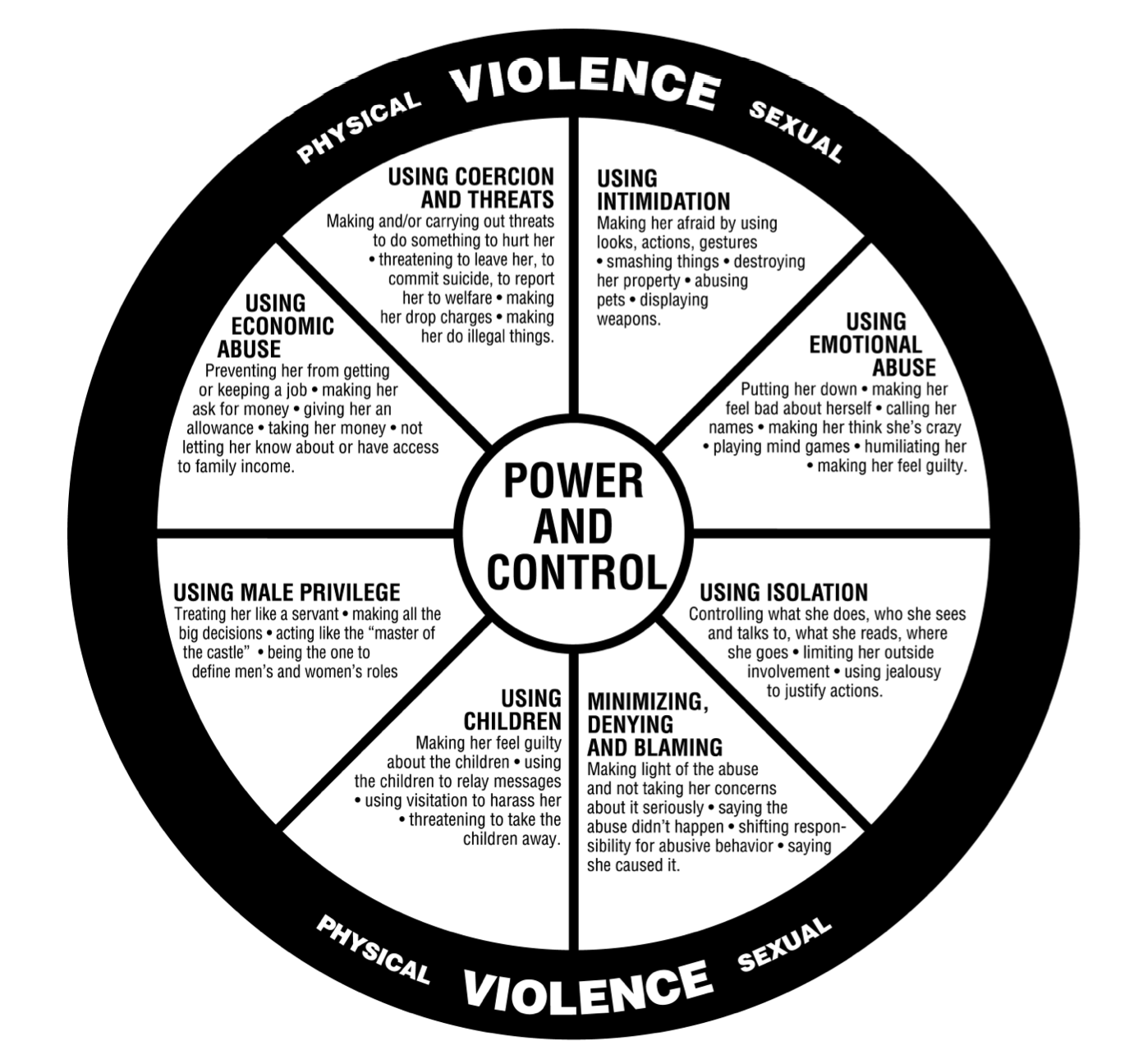
Others are well aware and intentional with the harm. This is Situation B, and this is abuse.
Let me be clear about Situation B right off the bat: If you are experiencing an abusive situation where someone is physically harming you, you need to seek help. Use the hotline number at the bottom of this article.
You also need to understand that certain situations of verbal/emotional put-downs may be verbal abuse, and often accompany (or are a precursor to) physical abuse. (See the Power and Control Wheel below.)
Healthline gives some red flags to the characteristics of verbal abuse:
- They insult you or attempt to humiliate you, but then they accuse you of being overly-sensitive.
- They yell or scream at you frequently.
- The person plays the victim while they try to make you feel guilty. (“I wouldn’t have to scream at you if you didn’t…”)
- They get in your personal space as an act of intimidation or try to block you from moving away.
- They gaslight you—this means they manipulate you into questioning your own version of events in order to gain more power. For example, they may convince you to doubt your memory of them saying or doing something violent or try to convince you you’re crazy.
- They hit the wall or throw things.
- They want credit for not having hit you.
Sincerely ask yourself the following questions:
- Do I believe my spouse is putting me down with the intention to harm me, wear me down, or manipulate me?
- Do I think there is a possibility the verbal attacks could lead to physical violence?
- If I were to voice my concerns for how they talk to me, is there any fear that they would react with a heated backlash?
Unless you can answer each of these questions with a confident no, these are strong indicators of verbal/emotional abuse and warning signals for possible physical abuse. Do not confront your spouse. Go somewhere safe and seek help.
Let’s talk about Situation A.
Your spouse puts you down but they are unaware of how it’s making you feel. They are being careless with the words they use toward you—perhaps in front of the kids. But despite the unintentionality of what they say, you still feel devalued. It’s time to let them know how you feel.
- Approach your spouse to talk at a strategic time. Ask them if this is a good time to talk. And if it’s not, arrange a time, preferably within the next 24 hours. Don’t bring up your feelings right after they say something hateful; your emotions will be dialed up, and you want to be calm and able to think clearly when you talk. Choose a time when neither of you are tired or in a bad mood.
- Start on a good note. Marriage researcher Dr. John Gottman suggests opening difficult conversations with a positive. Begin the conversation with something you appreciate about your spouse. Say something like, “I know that you love me and the kids and that you’d do anything for your family.” Or, “I appreciate how hard you work to provide and take care of us.”
- Be specific about what you hear and how you feel. Make good use of “I” messages. For instance, “There have been many times when I’ve felt really undervalued and unloved when you’ve said certain things to me.” Name your feelings—beforehand, jot down some specific words that describe how it feels when your spouse puts you down. If it happens in front of your kids or other people, point out that it feels embarrassing or shameful. Err on the assumption that your spouse has been unaware of how they’ve made you feel. You may have to give them an example of what they’ve said. Describe the last incident and the effect it had on you. Avoid giving a laundry list of all the past wrongs they’ve done to you, though.
- Use a code word or sign. The point of addressing this with your spouse is help them be aware that they are putting you down and the negative effect it has on your feelings. Establishing some kind of code word or a non-verbal signal can subtly express to them, “You’re being degrading and ridiculing right now, and you need to dial it down.” This is especially helpful in front of the kids or in social situations. For instance, whenever you respond with “Oh, honey…” or you nonchalantly touch your earlobe, you can discreetly and calmly express to your spouse how they’re making you feel at the moment.
- Set boundaries. Let your spouse know that if they continue to ignore warning signs and keep putting you down, you’ll simply leave the room when they say something disparaging. Don’t threaten your spouse with divorce or the withdrawal of sex (although you probably won’t exactly feel “in the mood” after being put down). You set up boundaries to protect yourself, not punish others.
- Check your own thoughts and words. I mention this last step with a great deal of care, and I encourage you to approach it with humility and thoughtfulness. I have talked with many individuals who have felt insulted by others close to them; however, sometimes there was something within their own personality that colored the situation. Many were highly sensitive to remarks that weren’t overtly insulting, but they heard them through the filter of past negative experiences.
For instance, one person interpreted an invitation to exercise together as an affront to their weight, an issue to which they felt particularly sensitive. Others that I’ve talked to were offended by another’s insults, but had no problem being equally insulting toward that person. Part of the process of working through this is to consider what may be going on inside you that could exacerbate these feelings. Ask yourself: Are the words I hear from my spouse truly insensitive put-downs, or is there something inside me that makes me overly-sensitive to their words? And, are there ways that I put my spouse down without me noticing it?
Marriage cannot thrive in an environment of disrespect and insults. And no one deserves to be put down by their spouse. The above steps are a process that may take time before you see real change. There’s a chance that other things are going on under the surface of insults and put-downs being hurled your direction. If these problems persist after taking the above steps, ask your spouse to seek help with you through couples counseling. If they resist, seek professional help on your own. ☆ Sometimes it takes one person in the marriage to lead the charge toward getting help and improving the relationship before the other catches on.
***If you or someone you know is in an abusive relationship, contact the National Hotline for Domestic Abuse. At this link, you can access a private chat with someone who can help you 24/7. If you fear that someone is monitoring your computer or device, call the hotline 24/7 at: 1−800−799−7233. For a clear understanding of what defines an abusive relationship, click here.***