Tag Archive for: healthy marriage

How do you know how strong and healthy your marriage is? Doctors help us to know whether our bodies are strong and healthy. 

I love getting a good report from the doctor after a check-up:

Mr. Ownby, your lab work shows your cholesterol is at a very healthy level. 

Mr. Ownby, your heart rate is strong and your blood pressure is perfectly normal. 

Mr. Ownby, our tests show you have the abs of a Greek warrior. 

(I haven’t actually heard that last piece of news yet, but I’m working on it…) 

How do you get a marriage check-up?

In her book, The Surprising Secrets of Highly Happy Couples, Harvard-educated researcher Shaunti Feldhahn uncovered a number of things that highly-happy, healthy couples do. Here are four of those signs from her research that you can use right now in your marriage: 

Couples in healthy marriages remember that little things go a long way.

It’s easy to think the big, overarching gestures we give our spouses (like expensive gifts or a surprise trip) keep the marriage glue strong. In fact, while there’s nothing wrong with these big gestures, Feldhahn’s research indicates regular, small actions of love are really what keeps the relationship robust. 

More specifically, Feldhahn pinpoints five of these “little things” that each person in the marriage can do to help their spouse feel more cared for: 

What the wife can do for him:

  • Notice his efforts and sincerely thank him.
  • Make it clear you desire him sexually.
  • Let him know that he makes you happy. 
  • Say, “You did a great job at _________.
  • Affirm him in front of others.

What the husband can do for her: 

  • Reach out and hold her hand. 
  • Leave her messages during the day to let her know you are thinking about her. 
  • Pull yourself out of a funk/bad mood (rather than withdrawing).
  • Put your arm around her in public
  • Sincerely tell her, “You are beautiful.” 

Couples in healthy marriages spend time alone with each other.

Two keywords here are meaningful and regular. Happy couples talk or share an activity when they are alone together. And these couples report doing this at least weekly

One goal you may shoot for is having a weekly “date time.” This is an intentional time you plan for just the two of you, and it can be any time of the day that’s convenient. You don’t necessarily have to leave the house or even spend a lot of money on a fancy dinner. Take a walk around the neighborhood. Play a card game. Send the kids to their rooms, turn the lights down low, and enjoy your favorite TV show over a box of Oreos. Simplicity often makes for the most meaningful times together. The idea is to have meaningful alone time with the one you love most on a regular basis

Couples in healthy marriages believe the other person is the reason their marriage is so happy.

Most people in a “highly-happy” relationship said that what their partner contributes to the relationship is why they are highly-happy. Conversely, a majority of the individuals in “so-so” happy relationships indicated they were the reason for their (so-so) happiness. Developing a sense of gratitude for the value your spouse gives to your marriage is fundamental. Recognize the great things they do for your relationship and show them your appreciation

Couples in healthy marriages believe the best of each other and don’t let negative thoughts get the best of them.

Even in the midst of disagreements, couples from healthy, happy marriages still knew that they were both on the same team and that their partner deeply cared for them. When negative thoughts about their spouse began to creep in, couples were quick to intentionally change their thinking around. They realized the power they had over these feelings and trained their brain to think the best of their partner. When you feel these kinds of negative feelings coming on, don’t let them boss you around; decide to believe the best about your spouse

Keeping your marriage strong and healthy takes intentionality on a daily basis. But with these four keys, you can be sure that your marriage check-up will merit a clean bill of health. 

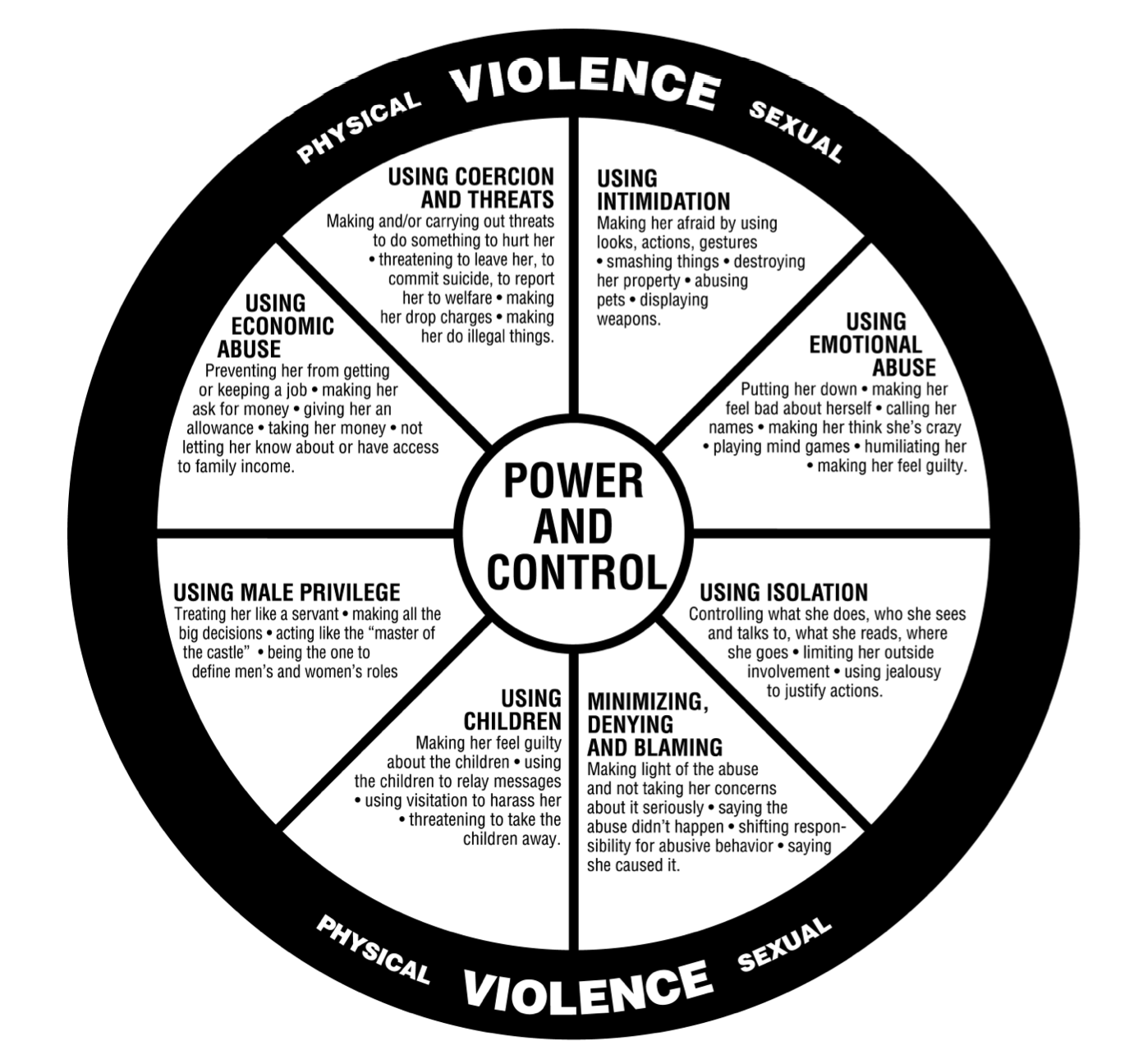
 ***If you or someone you know is in an abusive relationship, contact the National Hotline for Domestic Abuse. At this link, you can access a private chat with someone who can help you 24/7. If you fear your computer or device is being monitored, call the hotline 24/7 at: 1−800−799−7233. For a clear understanding of what defines an abusive relationship, click here.***
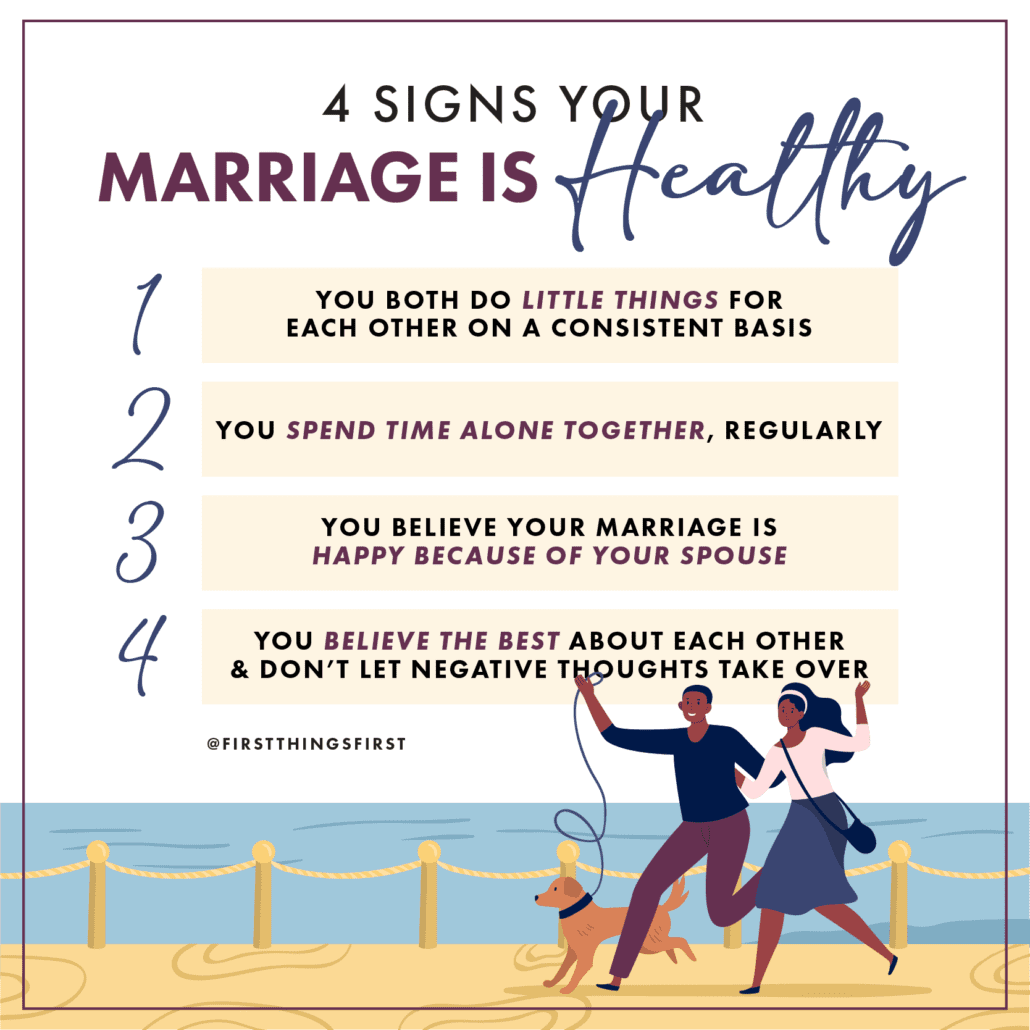

Image from Unsplash.com

David and Claudia Arp believe that fun in marriage is serious business. They have written several books on marriage together, including the 10 Great Dates series, and they love helping couples jazz up their marriage.

“In our 30-plus years of marriage, we have learned important things like, if you don’t say what is on your mind when it is on your mind, it may not be there later,” says Claudia. “We have also learned that it is critical for people to be intentional about having fun in their marriage. Most of us lead such busy, stressful lives that many times there is very little left over for the marriage, especially when it comes to anything fun. When the fun dies in a relationship, it is hard to keep the marriage alive.”

Through the years, the Arps have made it a point to enjoy each other’s company and to have fun.

One time when they got lost, instead of getting irritated with each other, they realized they were lost together. The kids weren’t with them, so they decided to make it into a 30-minute get lost date.

“We believe it is important to model a healthy relationship for your children,” says David. “Research has shown that the level of a couple’s friendship is a determining factor in whether their marriage will go the distance. In order to keep a friendship alive, you have to nurture it.”

The Arps have many good ideas to help grow the friendship in marriage, including this fun assignment: Kiss for 10 seconds in the morning before leaving for work with your eyes wide open. When you return home in the evening, do the same thing.

The key is to understand that you can turn any situation into a date, even a frustrating one. For example, you can go on a flu shot date. Or, if you find yourself in an airport with an extended layover, go to a gate where a plane is getting ready to take off. Pretend you are saying goodbye to each other. Once the plane leaves, move on to another gate and start all over again. You can do this for as long as your layover allows.

If your marriage could use some jazzing up with a heaping helping of fun, these great dates can build a stronger friendship into your marriage.

  • Take a trip down memory lane. Remembering your past can energize your relationship for the future.
  • Celebrate your differences. Reclaim that unity and diversity you felt before you married. List ways you are alike and ways you are different. For all the ways you are alike, figure out how to compensate for those areas. For all the ways you are different, determine how you can make sure the differences complement your marriage relationship instead of creating friction.
  • Make a date to talk about “us.” Lots of couples talk over each other. They talk about the kids, work, community service, etc. On this date, the Arps encourage couples to talk about “you.” Talk about positive things, your hopes and dreams, what you want your marriage to look like.
  • Have an encouragement date. Verbalize all those things you keep in your head, like when you think he looks really good, but you forget to tell him or when she cooks a great dinner, you think about how great everything tastes, but you never say anything.

“A number of years ago, we moved our office and David gave in to using an answering machine,” Claudia says. “The past few days had been rough so I decided to leave a message of encouragement for David on the new answering machine telling him I was really looking forward to seeing him at home and suggested some activities we could do.

“What I didn’t know is that David had some friends at the office who ended up helping him install the answering machine.

“Then they all went out to lunch. When they returned, one of his friends noticed he had a message. David hit play and the whole group proceeded to listen to my message. When it finished, the friends turned to David and wanted to know who that woman was leaving that kind of message on his machine. My red-faced husband tried to convince them it really was his wife. Needless to say, we have had more than a few good laughs over that one!”

Jazzing your marriage up is serious business! To find out more ways to create fun and adventure in your marriage, take look around our website.

Looking for more resources? Watch this episode of JulieB TV for an in-depth look on this topic!

***If you or someone you know is in an abusive relationship, contact the National Hotline for Domestic Abuse. At this link, you can access a private chat with someone who can help you 24/7. If you fear your computer or device is being monitored, call the hotline 24/7 at: 1−800−799−7233. For a clear understanding of what defines an abusive relationship, click here.***

Read Mad About Us, Part 1 here.

Almost daily, unhealthy anger causes some kind of devastation. It could be anything from child abuse or domestic violence to road rage, or to children methodically preparing to harm their teacher. The emotion of anger in and of itself isn’t the problem, though. When people allow themselves to be controlled by this powerful emotion, it can become unhealthy and cause harm to others.

“We have to continually remind ourselves that anger is energy and energy is neutral,” says Gary Oliver, clinical psychologist and co-author of Mad About Us: Moving From Anger to Intimacy with Your Spouse, with his wife, Carrie. “We have total control over how we choose to express our anger, so we can choose to express this emotion in unhealthy or in healthy and constructive ways. Plus, we can choose to spend the anger-energy by expressing it in ways that hurt ourselves and others. Or, we can choose to invest the anger-energy in building a healthier relationship.”

The Olivers believe that anger can be an alarm or warning sign that we need to look at some aspect of our lives or relationship. It can serve as a powerful source of motivation. Healthy anger provides the power to protect loved ones, and healthy anger can lead to more intimate relationships.

“Disagreements usually involve the emotions of fear and/or hurt and/or frustration. These are the primary emotions that lead to the secondary emotion of anger,” Oliver says. “Anger sets most people up for conflict – and most couples don’t know how to do conflict well. Couples can choose to spend their anger-energy by dumping, blaming, attacking or walking out. Or they can choose to acknowledge the fear, hurt or frustration and invest their anger-energy in seizing the opportunity to better understand their spouse.”

For example, Oliver spoke with a couple in the middle of a serious conflict. The husband made a comment at a party, and his wife responded with a joke about it. Her response embarrassed him in front of their friends. He was making a serious point and, she spoke without thinking about how it would impact the situation. Since this was not the first time she had done something like this, her husband was hurt, embarrassed, marginalized and frustrated.

When they headed home, the wife asked him what was wrong. Although he initially denied being upset, he releases his frustration after several questions.

In working through Oliver’s seven conflict management steps, they discovered that the wife had no idea he was being serious. The husband realized that his wife didn’t intend to make him look bad, but his friends started laughing and he felt naked, exposed and embarrassed in front of them. As they talked, the wife truly felt bad and apologized. This was a landmark conversation for them because they were actually able to talk through what had taken place and understand each other. Then they set a new direction for how to manage their conflict.

Couples who develop the healthy habit of working through differences often find that listening, asking questions, listening again and asking more questions leads to understanding. Additionally, it provides a window into each other’s hearts and a pathway to greater intimacy.

“When you know someone loves you enough to take the time to understand you rather than take a walk out the door, you know that person’s love is not a shallow, superficial, conditional love,” Oliver says. “That type of love makes a person feel safe and secure. This type of security leads to an increase in trust, which creates the perfect environment for deep levels of intimacy to grow.”

If you’re seeking to more effectively manage the conflicts in your marriage, try these seven steps:

  • Define the issue. Listen and seek understanding. Whose issue is it? Is there more than one issue involved? What is my spouse’s core concern? What is my core concern?
  • How important is it? On a scale from 1 to 10, with one being low-ticket and 10 being high-ticket, how important is this?
  • Ask yourself, “What is MY contribution to the problem?”
  • Do I need to apologize or ask for forgiveness?
  • Choose radical responsibility. Don’t wait for your partner to reach out and seek understanding—be willing to take the first step.
  • Choose what both of you can do differently.
  • Make changes and review them.

“Healthy conflict is good,” Oliver says. “When a couple has a disagreement and one person takes the time to listen even if they think the other person is wrong, that says to their spouse, ‘I value you and you are important to me.’”

It isn’t always about agreeing on something. When you know your spouse is trying to understand what is going on, it increases your sense of value and safety.

One of the best ways to go from being mad at each other to “mad about us” isn’t reading books on new sexual positions. Instead, it’s about creating a sense of trust and safety within your marriage. A spouse who feels understood will feel safe and be willing to trust. Consequently, that trust leads to the deeper levels of intimacy every person longs for. Guaranteed!

***If you or someone you know is in an abusive relationship, contact the National Hotline for Domestic Abuse. At this link, you can access a private chat with someone who can help you 24/7. If you fear someone is monitoring your computer or device, call the hotline 24/7 at: 1−800−799−7233. For a clear understanding of what defines an abusive relationship, click here.***

Over the past 30 years, Gary and Carrie Oliver have worked with literally thousands of couples. Some were preparing for marriage while others were trying to figure out how to make their marriage work. “Every couple we have worked with began their marriage with a proclamation of their love and commitment to stay together ‘until death do us part,’” says Gary Oliver, psychologist and co-author of Mad About Us: Moving from Anger to Intimacy with Your Spouse.

“In many cases, the couples we worked with talked about being madly in love with each other. But over time the madly in love feeling turned to feelings of being mad at each other. The vast majority of failed relationships have at their core the inability to understand differences, deal with the emotion of anger in healthy ways and engage in healthy and constructive conflict.”

Close to 90 percent of people say they want to marry. Clearly, people want to be in relationships. Most married couples will tell you, however, that differences that were so fun and attractive while dating tend to cause marital conflict.

“More than 96 percent of the people we have worked with view conflict as negative and something to be avoided at all costs,” Oliver says.

He has spent thousands of hours playing referee for couples who do not understand that there is both unhealthy and healthy conflict. As a result, responding instead of reacting can make all the difference in the world. He says that conflict pushes buttons of fear, hurt and/or frustration, and things tend to get very personal. “When people feel misunderstood, the relationship doesn’t feel trustworthy or safe. Needless to say, this does nothing to build intimacy in a relationship.”

Misunderstanding anger is one big issue the Olivers deal with as they counsel couples.

“Anger is a complex emotion,” Oliver says. “One of the major reasons why the emotion of anger has gained a primarily negative reputation is that there is so much misinformation about what anger is and can be. We only tend to hear and read about unhealthy expressions of anger. It’s tragic that the mostly incorrect and inaccurate misinformation far outweighs the true and accurate facts regarding this powerful and potentially positive emotion.”

Consider these common myths (and facts) about anger.

Myth: If you don’t look or sound angry, you don’t have an anger problem.

Fact: Just because you don’t look or feel angry, or because your friend wouldn’t describe you as an angry person, does not mean you don’t have an anger problem. Anyone who does not understand and appreciate the potential value of anger may have a problem with it.

Myth: Anger always leads to some form of violence, so it is never good to be angry.

Fact: Anger does not always lead to violence, nor is it always a bad thing to be angry. The key is to understand and control this emotion rather than letting it control you.

Myth: Expressing anger to someone you love will destroy your relationship. Anger and love just don’t mix.

Fact: Being aware of your experience of anger and choosing to express it in healthy ways can actually increase mutual understanding, It can also help, strengthen and enrich your relationship.

Myth: Spiritual people don’t get angry.

Fact: Anger is a fact of life. Everyone experiences it. If you want to be smart and healthy, choose to understand your experience of anger, then express it constructively.

Myth: The best way to deal with anger is to stuff it. Expressing anger breeds even more anger and leads to loss of control.

Fact: When in doubt about what to do with your experience of anger, don’t stuff it. Healthy expressions of anger allow you to deal with the root issues and decrease anger. They are constructive and lead to greater control.

Myth: The best way to deal with anger is to dump it. Just get all of that anger out of your system. You and everyone else will be better for it.

Fact: When you are angry, take the time to understand your experience of anger. It can help you express it in a healthy and constructive way.

“Most couples we worked with were surprised at the degree to which they have believed many of these myths and the degree to which these myths have negatively impacted their marriage relationship,” Oliver says.

“In fact, my wife and I both realized that neither of us grew up with models of what healthy expressions of anger looked like. Learning how to express anger in healthy ways tore down walls of fear, hurt and pain. It also helped us build bridges of understanding and trust that became the pathway to deep levels of intimacy in our marriage.”

Read Mad About Us, Part 2.

***If you or someone you know is in an abusive relationship, contact the National Hotline for Domestic Abuse. At this link, you can access a private chat with someone who can help you 24/7. If you fear someone is monitoring your computer or device, call the hotline 24/7 at: 1−800−799−7233. For a clear understanding of what defines an abusive relationship, click here.***

Becoming a team in marriage can be tough. After you marry, who should you approach first as your confidant, to ask for an opinion or to work through an issue? Your spouse or your parents? Many couples wrestle with this in the early stages of marriage.

One woman shared that she resented her husband of two years going to his mother about everything. He responded that he is closer to his mother and that she knows him better.

“My husband and I dealt with this in the first few years of our marriage,” says marriage educator, wife and mother, Gena Ellis. “When I showed up on my parents’ doorstep, my mother told me to go home. She said I didn’t live there anymore and I needed to go home to my husband. My husband was not being mean or hurting me. I was just spoiled and mad that things weren’t going my way, so I ran home to Mama. I am grateful my mom set these boundaries.”

Even though you love your spouse, learning how to get along together and grow your trust level takes time.

“I think a lot of men don’t realize how their relationship with their mom can lead to their wife’s insecurity in the marriage relationship,” says marriage coach Dr. David Banks. 

“For example, many well-intentioned men do not realize that confiding in mom after getting married is like being traded from one sports team to another and going back to your former coach for advice. This actually works against building trust in the marriage and figuring out how to rely on each other.”

Both Ellis and Banks agree that parents should receive, raise and ultimately, release their children.

“It is truly in a couple’s best interest if parents are a safety net rather than the first line of defense,” Ellis says. “If your adult child is having trouble ‘cutting the apron strings,’ helping him/her do that provides the best chance of a healthy and successful marriage. It is not helpful to say things like, ‘You will always have a room here.’ Or, ‘If she starts treating you bad, you just come home to Mama.’”

If you are a newlywed, Banks and Ellis offer these tips as you leave your parents and join forces with your spouse.

  • First, sit down together and talk about what it means to be a team.
  • Resist the urge to run to your parents at every turn. Set healthy boundaries for you as the couple and for your parents. Constantly turning to your parents creates difficulty in building trust and confidence in each other.
  • Watch the influences you allow around your marriage. People who have a negative view of marriage don’t typically help you to build a healthy relationship with your spouse. In other words, you may have hung out with people before marriage that you should see less often now.
  • Consider attending a marriage enrichment class. There are great tools to help you build a strong, lasting marriage.

“Loyalty is foundational to a healthy marriage team,” Banks says. “You may feel like your parents know you better and can offer better advice. But think of your marriage as your new team. Even though your old team knows you better, your job now is to make sure your new team knows you. This isn’t about giving up your relationship with your parents. It is about creating a new system where there is balance and everyone understands their appropriate role.”

 ***If you or someone you know is in an abusive relationship, contact the National Hotline for Domestic Abuse. At this link, you can access a private chat with someone who can help you 24/7. If you fear your computer or device is being monitored, call the hotline 24/7 at: 1−800−799−7233. For a clear understanding of what defines an abusive relationship, click here.***

The top 10 resolutions for each new year are often to: lose weight, get organized, spend less/save more, enjoy life to the fullest, stay fit and healthy, learn something exciting, quit smoking, help others in their dreams, fall in love, and spend more time with family. These are great goals, but studies show that without accountability, your goals will be out the window in a month. But what if you and your spouse made some fun resolutions to build a healthy marriage?

Here are some examples of resolutions for a healthy marriage to help you out:

  • Don’t come in and want to “talk” during the Super Bowl unless you want to pick a fight. Instead, schedule time for uninterrupted conversation on a regular basis. Just five minutes a day can make a huge difference in your relationship.
  • If you want to know what’s going on in his head, don’t ask your man to share his feelings. Simply ask, “What do you think?” Chances are good you will actually end up knowing how he feels.
  • Eat dinner together. Seriously, taking time away from the television and other technology to eat together enhances communication and connectedness, and that’s crucial to a healthy marriage. If you have children, feed them early and plan a late dinner for yourselves.
  • Help your spouse with organization, but remember it’s OK to be spontaneous.
  • Help your spouse be spontaneous, but remember it’s OK to plan. The key to both of these goals is clearly balance. Too much planning or spontaneity can make marriage miserable.
  • If your goal is good health, pay attention to what you eat, get enough rest and exercise regularly. Moderation in eating is important. Take walks together holding hands. Studies show that holding your mate’s hand can decrease your blood pressure. Who knows? This exercise could lead to more “fun exercise.”
  • Set goals together no matter what. Decide on one thing you want to accomplish together this year and make plans to see it happen. Doing things as a team throughout the years will help you prepare for becoming empty-nesters.
  • Find ways to encourage your spouse. The truth is, most people know deep down what their weaknesses are, but often have trouble knowing and acknowledging their strengths.
  • Figure out how to live within your means. At the end of life, relationships trump material things.
  • Don’t forget, if you want to have a little fun, you can still embarrass your teenagers by just showing up.
  • Compete with your spouse by learning to out-serve each other. Selfishness comes naturally, but selflessness takes intentional effort.

If you do the above, you’ll probably lose weight, get organized, spend less/save more, enjoy life to the fullest, get healthy, learn something exciting, quit smoking, help others fulfill dreams, fall more in love with your spouse, and spend more time with family. Who knew?

***If you or someone you know is in an abusive relationship, contact the National Hotline for Domestic Abuse. At this link, you can access a private chat with someone who can help you 24/7. If you fear your computer or device is being monitored, call the hotline 24/7 at: 1−800−799−7233. For a clear understanding of what defines an abusive relationship, click here.***

The bride-to-be shared that it was only two weeks, four days and six hours until the wedding. Her eyes sparkled as she talked, and everyone could tell she was head over heels in love.

Many brides who have gone before her know that feeling so well. They also know that starry-eyed love is not all you need to carry you through the marriage journey.

What kind of advice for a happy, healthy marriage would newlyweds give to engaged couples?

One bride shared that she and her husband didn’t talk about finances before walking down the aisle. Even though they were set up for automatic deposit and bill payment, she was clueless about what was in their checking account.

“Not too long after we married, I decided to spend a little extra on payday,” said the bride. “I almost caused us to bounce checks because it was the first of the month, when many of our largest bills are paid. To this day, we still haven’t established a budget.”

Research shows that money is one of the least important factors couples consider when preparing for marriage. However, it is the number one thing that creates distress in marriage.

Many newlyweds create massive debt furnishing their home, driving nice cars, and generally “keeping up with the Joneses.” Instead of trying to have what your parents accumulated over many years immediately, attend a money management seminar to learn how to budget your money. Most money experts agree there are three cardinal rules to follow when it comes to money management: Spend less than you make, avoid going into long-term debt, and put away a little bit for a rainy day.

One couple shared that even though they love each other, adjusting to having someone else around and considering their thoughts, feelings, likes and dislikes is a huge change. Everything from getting ready with only one bathroom and bedtime when one person is a night owl, and the other isn’t – to spending habits, how to do the laundry, a clean bathroom, in-laws/extended family, visitors and time for date nights – are now up for discussion and negotiation.

Learning how to do the marriage dance without stepping on each other’s toes is a skill that takes time to master.

The best thing you can do is talk about these issues as they arise. Keeping your frustration to yourself will only create friction in your relationship. This is where you learn it isn’t all about you and your wants and desires. It is learning how to let another person be a part of your life. You have to figure out how to give and receive and compromise.

One bride said she wished she had known she’d have to sacrifice who she was for the sake of her marriage. A healthy marriage isn’t about sacrificing who you are when you come together as one. Coming together should make you better as an individual and better as a team. Talking about career expectations, children, and individual and collective goals before you marry will be helpful. There are seasons in marriage when you choose to make sacrifices because it honors your relationship. This doesn’t mean that only one person makes sacrifices.

Finally, keep expectations realistic.

The person you marry cannot meet your every need, make you happy and always be perfect. You will disagree. You will make mistakes. And believe it or not, there will be times when you don’t feel head over heels in love. That doesn’t mean you married the wrong person – nobody is perfect. We all have needs and growth opportunities. Don’t focus on your needs and your mate’s weaknesses. Instead, focus on their needs and strengths, and on your own opportunities for growth.

A great start for your marriage takes at least as much prep time as you put into your wedding day. These couples have high hopes for a long lasting, healthy marriage. If that is your goal, make it a point to start investing now in your relationship.

The return on your investment will be worth it!

Looking for more? Check out this episode of JulieB TV on this topic!

If you’re married, you’ve probably had a spirited discussion or two with your spouse. Chances are, it’s been about money, sex, jealousy over time spent outside the marriage, in-laws, child-rearing, or spirituality/faith.

“Based on research, we have learned that these are six of the most common toxic subjects for couples,” says Beverly Rodgers, marriage and family therapist and co-author of Soul Healing Love. “These topics cause the greatest amount of conflict in a marital relationship. Every couple has at least three, and the average couple has five of these that they argue about or discuss on a regular basis.”

“Couples know that they are dealing with a toxic subject when it triggers conflict and they can’t find a way to resolve it,” Rodgers asserts. “They either avoid the topic at all costs or jump in with both feet and later wished they hadn’t.”

Toxic subjects often bring relationships to the breaking point. How couples handle those toxic subjects is important.

The reaction to one of these issues usually falls into one of four categories:

  • Withdrawal or stonewalling,
  • Criticism,
  • Defensiveness, and/or
  • Contempt.

Take heart, though. Rodgers believes that you can learn how to keep these toxins from poisoning your marriage by identifying and dealing with the root issue.

“We encourage couples to dig deeper to get to the heart of the matter so they aren’t just coping with the issue, but extinguishing it,” Rodgers shares. “We ask couples to answer some basic questions.”

  • What does my mate do that triggers my anger?
  • When my mate does _____, I feel ________.
  • What is the root of my anger? Guilt, Inferiority/Inadequacy, Fear or Trauma/Pain?
  • When have I ever felt this before?
  • When I feel this feeling, what do I do? How do I behave?
  • What do I really need?

“After literally seeing hundreds of couples who were stuck in a marital rut, we recognized that a great deal of what couples are in conflict about goes back to their childhood,” Rodgers continues. “We also recognized that guilt, inferiority/inadequacy, fear and trauma/pain are usually emotions underlying the feeling of anger. Identifying these emotions uncovers what is really going on inside when you are angry at your spouse.”

Take this couple for instance.

A husband expects his wife to have the house clean and dinner on the table when he gets home. Despite her best efforts, it is next to impossible to get everything done with two young children underfoot. Every evening he walks through the door and gives her a look of disappointment. She feels guilty and inadequate. On the other hand, he feels inferior. Both get defensive and the evening goes downhill from there.

Through the digging deeper exercise, the husband realizes that throughout his childhood, his mother did everything for him. He interpreted that as a subtle message that he was incompetent or incapable of doing things for himself. This resulted in unrealistic and unfair expectations of his wife.

His wife, on the other hand, is the oldest of four. She kept up with her younger siblings, and her parents criticized her whenever she didn’t do things quite right. This made her feel inferior and hurt (trauma). Her husband’s disdainful look echoes the disappointment she felt from her parents as a child. In response, she distances herself from him and pulls away, which is exactly what this relationship does not need. She really needs to know that her husband loves her unconditionally.

“Rather than getting locked into a power struggle over cooking supper or cleaning the house, the couple will fare better if they understand the deeper meaning of what is really going on,” Rodgers says. “As couples begin to dig deeper, instead of fighting over often ultimately silly issues, they move away from being locked into a negative perception of each other.

“In our example, the wife thought her husband was a control freak. The husband thought she was inefficient and lazy. Through this exercise, they saw each other on a deeper level and realized that wounds and needs were behind those requests. The deeper understanding gave them the motivation to meet each other’s needs rather than locking horns. Now there is empathy and desire, which can grow passion. What once was a lifeless relationship on the brink is now a relationship with new life.”

***If you or someone you know is in an abusive relationship, contact the National Hotline for Domestic Abuse. At this link, you can access a private chat with someone who can help you 24/7. If you fear someone is monitoring your computer or device, call the hotline 24/7 at 1−800−799−7233. For a clear understanding of what defines an abusive relationship, click here.***