The next step in your relationship.


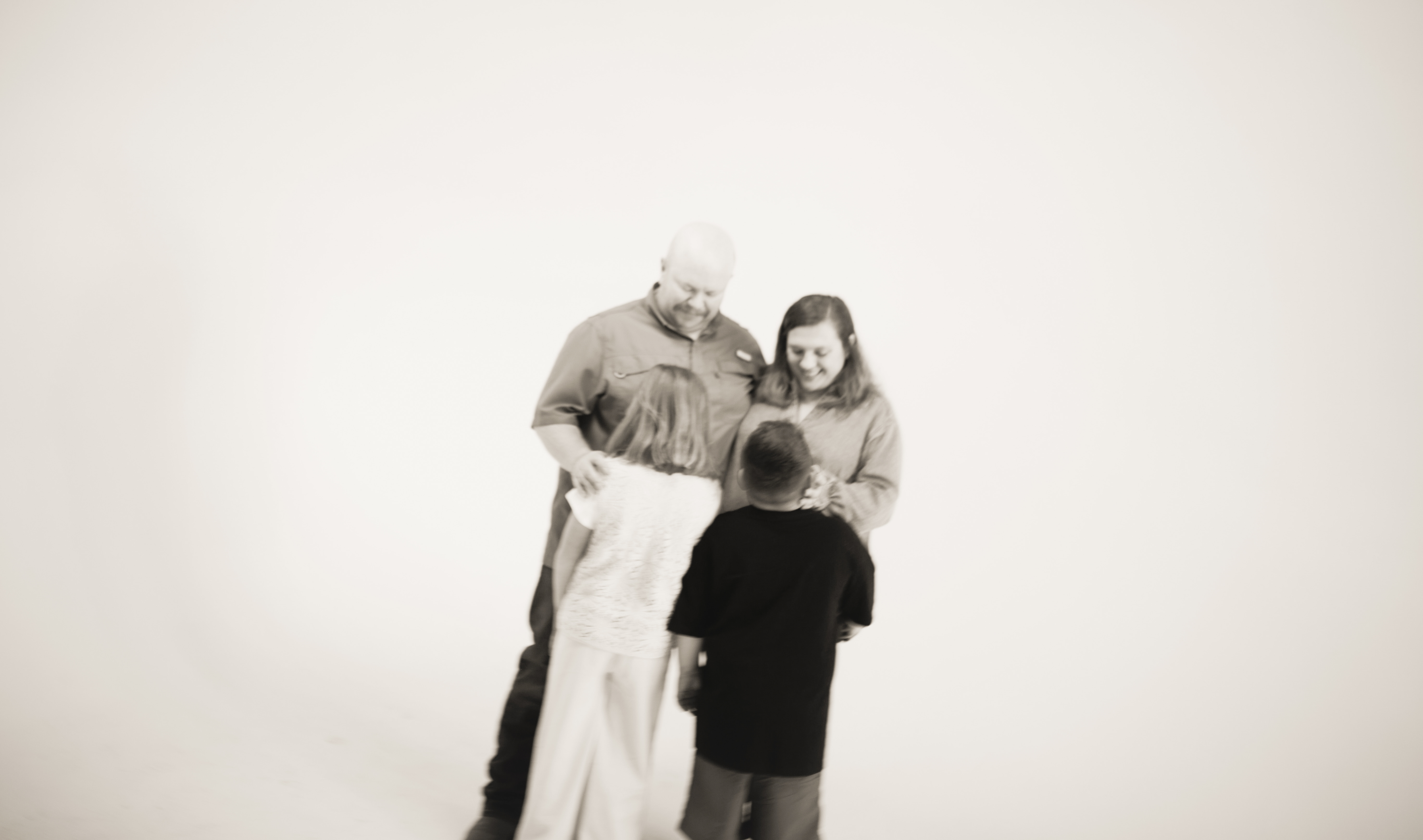




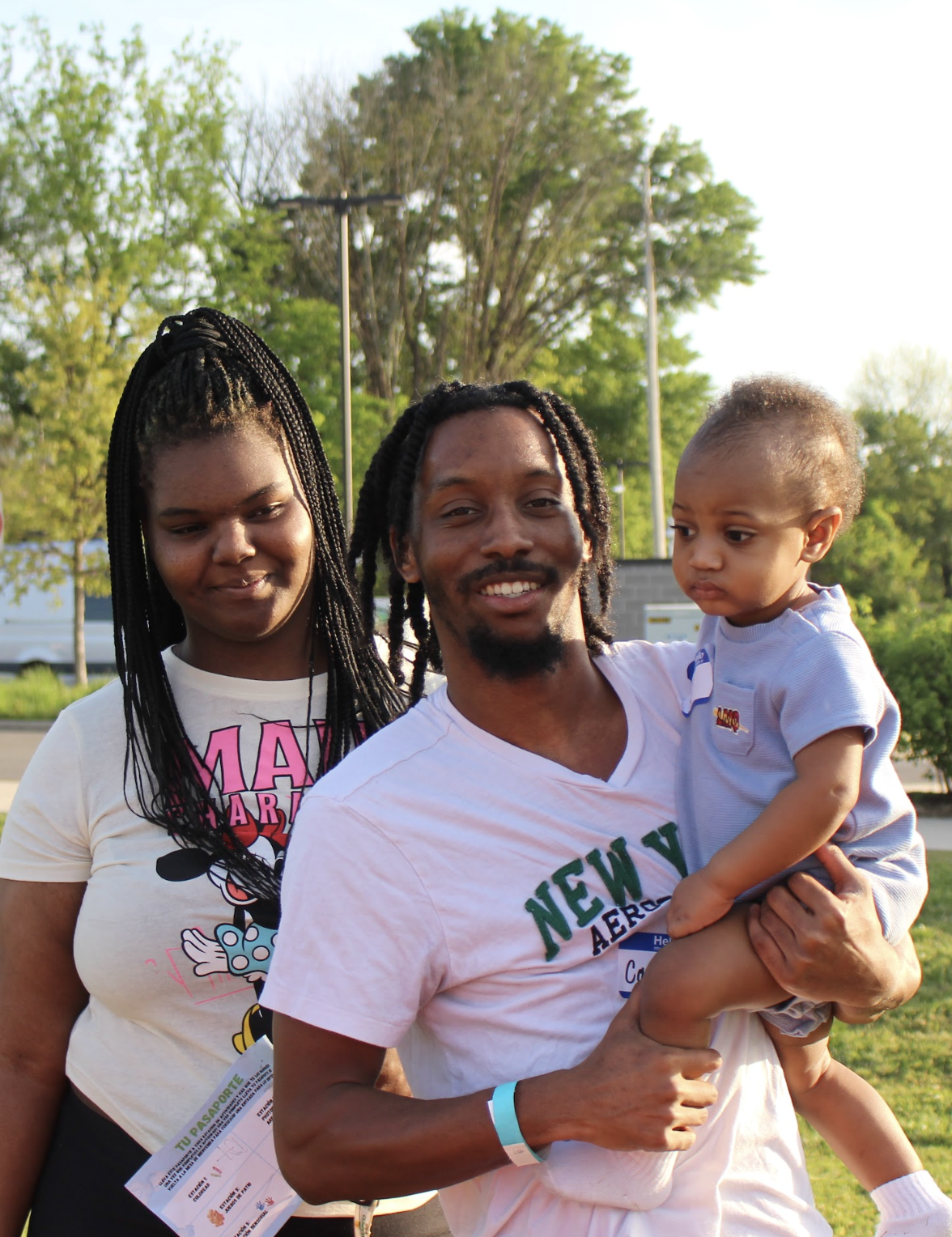
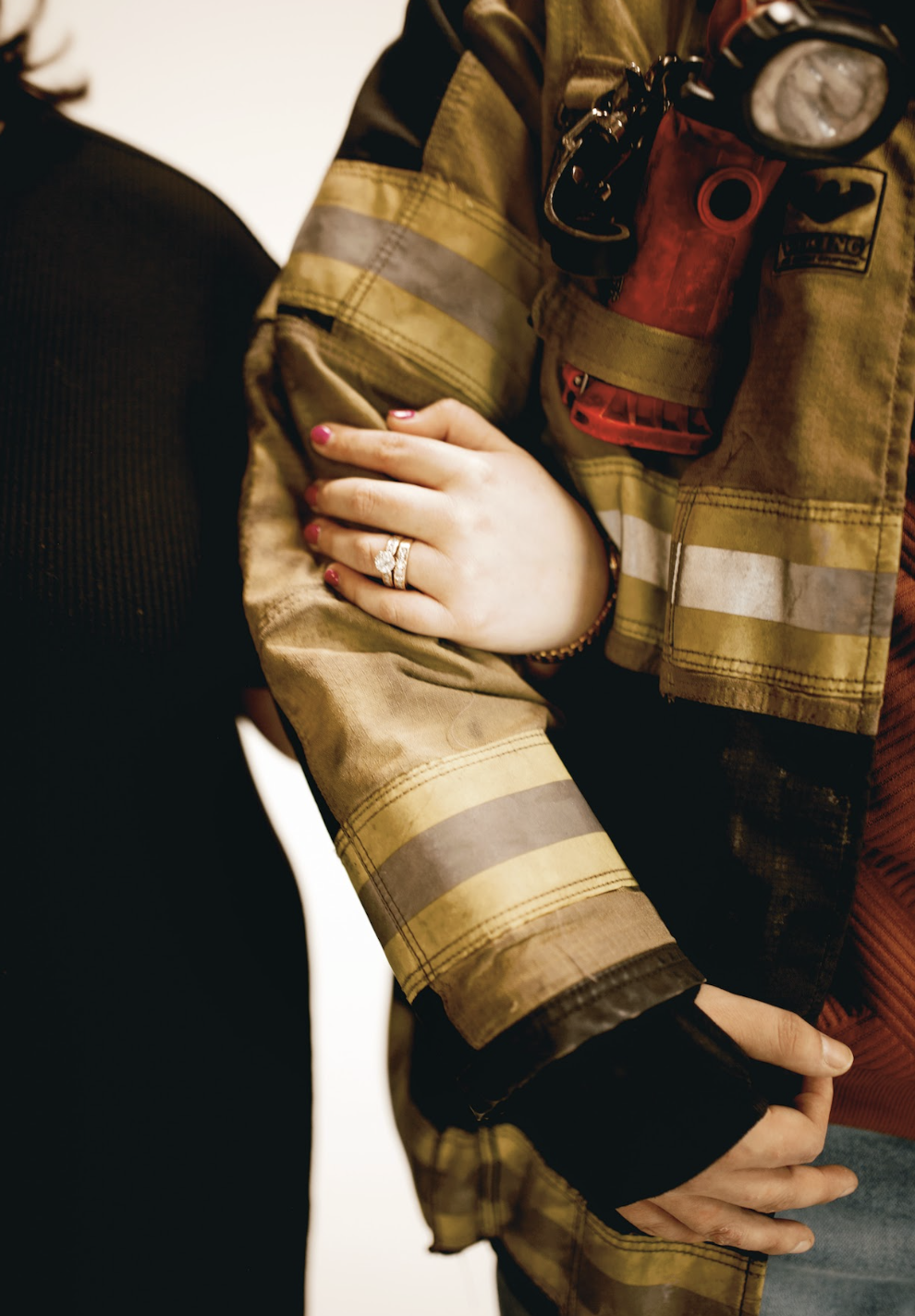
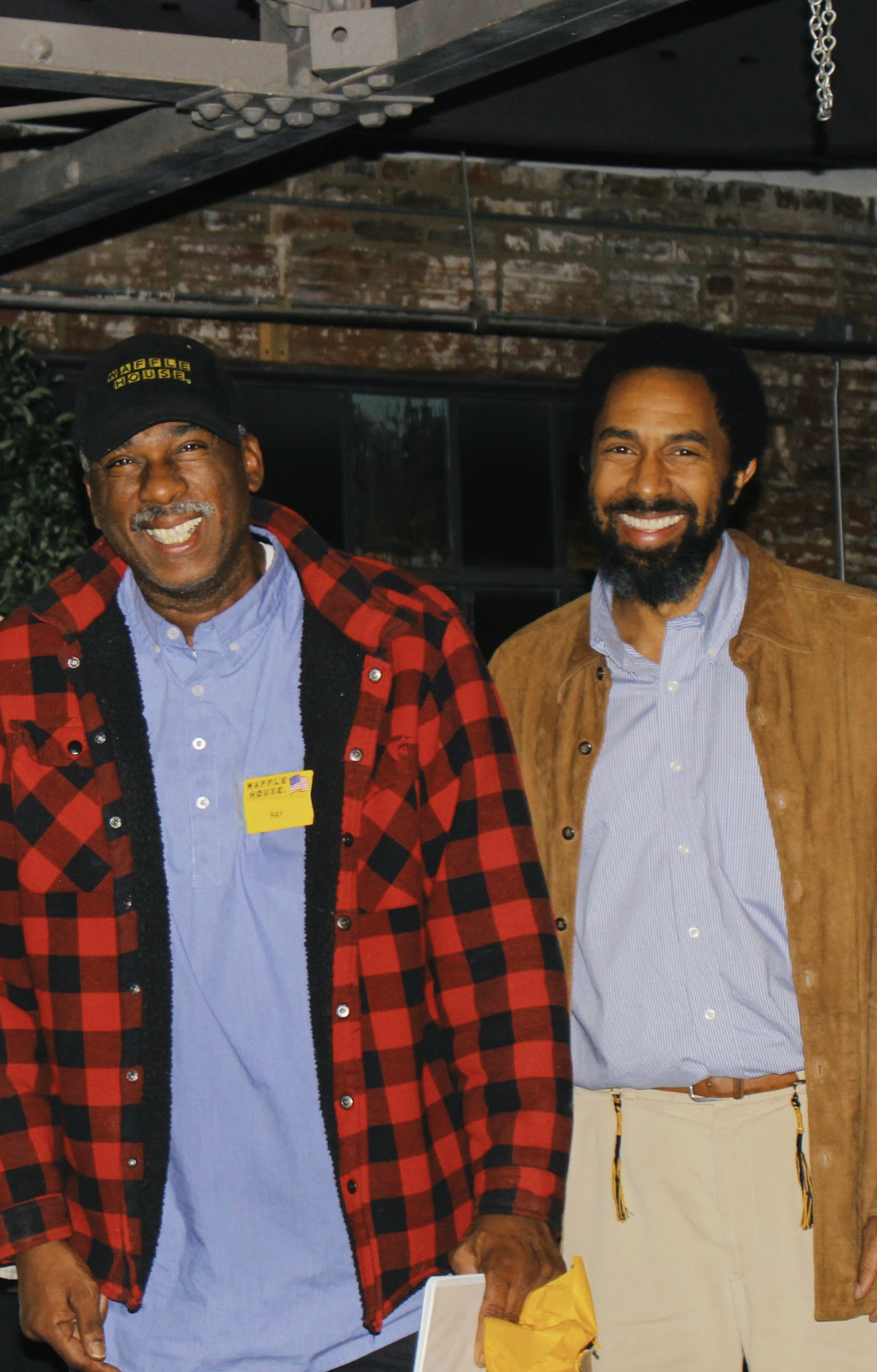


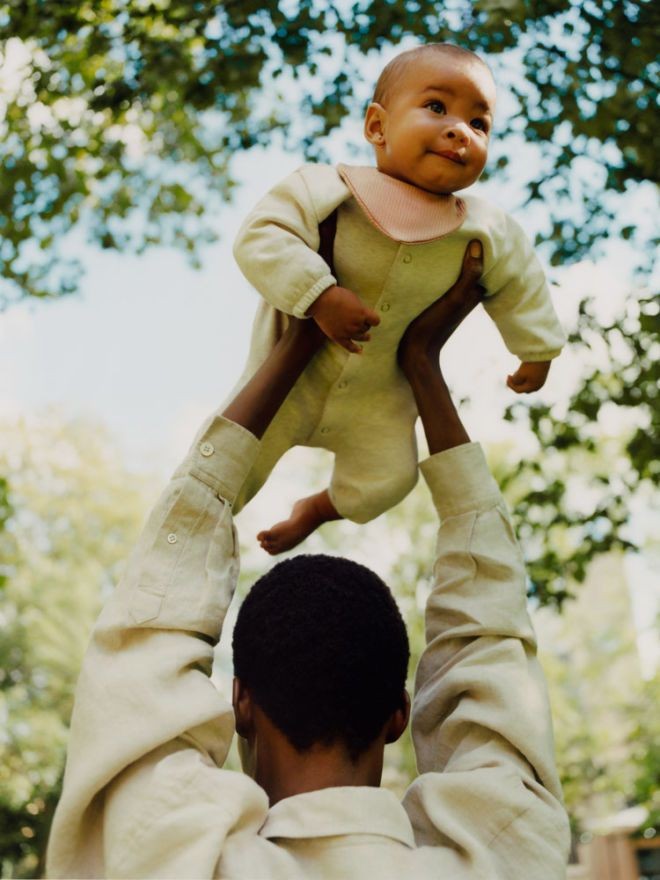

First Things First serves economically disadvantaged and
at-risk families who have experienced cyclical trauma, dysfunction and lack access to resources.
Strong families build stronger communities.
We care about the people we serve and the lasting impact our programs can have on their lives. We understand the importance of setting strong objectives that enable us to better serve our communities while helping build stronger families and a stronger community.
72% couples report their relationship was strengthened
81% of parents report their relationship was strengthened
How we support families
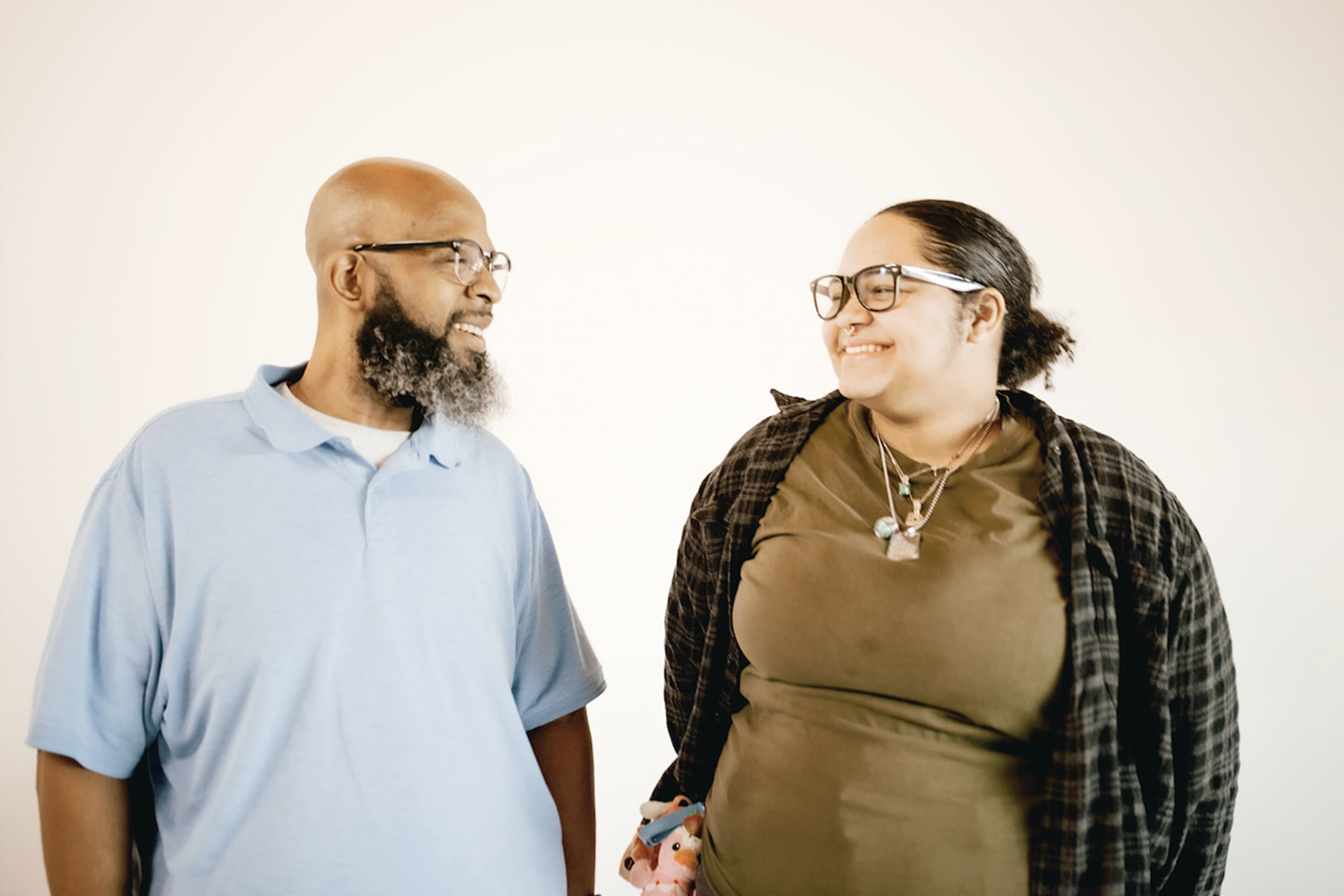
Fatherhood & Parental Transformation
We help fathers and parents develop the emotional awareness, consistency, and confidence needed to create healthy homes. Through classes, mentorship, and coaching, parents learn how to break unhealthy cycles and build stronger relationships with their children.
.jpg)
Relationship Formation & Repair
Healthy relationships require intentionality, communication, and trust. We provide practical, research-based tools that help couples strengthen connection, repair conflict, and build relationships that last.

Family Support
Many families need more than information, they need support walking through complex situations. Our coaching and case management services help individuals navigate challenges, access resources and create clear steps forward.

Community Education & Advocacy
We believe healthy relationship skills should be accessible to everyone. Through partnerships, events, workplace education, and community outreach, we help normalize conversations around emotional health, parenting, marriage, and family stability.
We believe that when families are strengthened, cycles are broken, healing begins, and futures are transformed.
Our programs are grounded in trusted research and practical application, giving individuals and families tools they can immediately use in everyday life.

Transformation happens when education is paired with support. We help connect families to coaching, therapy, and additional care when deeper support is needed.

We focus on sustainable change, not short-term inspiration — helping families create healthy patterns that can be passed down for generations.

For the Family.
First Things First began with a simple belief: healthy relationships change everything. Since 1997, we’ve worked alongside individuals, couples, parents, churches, nonprofits, schools, and community organizations to help families build stronger foundations and healthier futures.






.webp)






.webp)









What healthy relationships create.
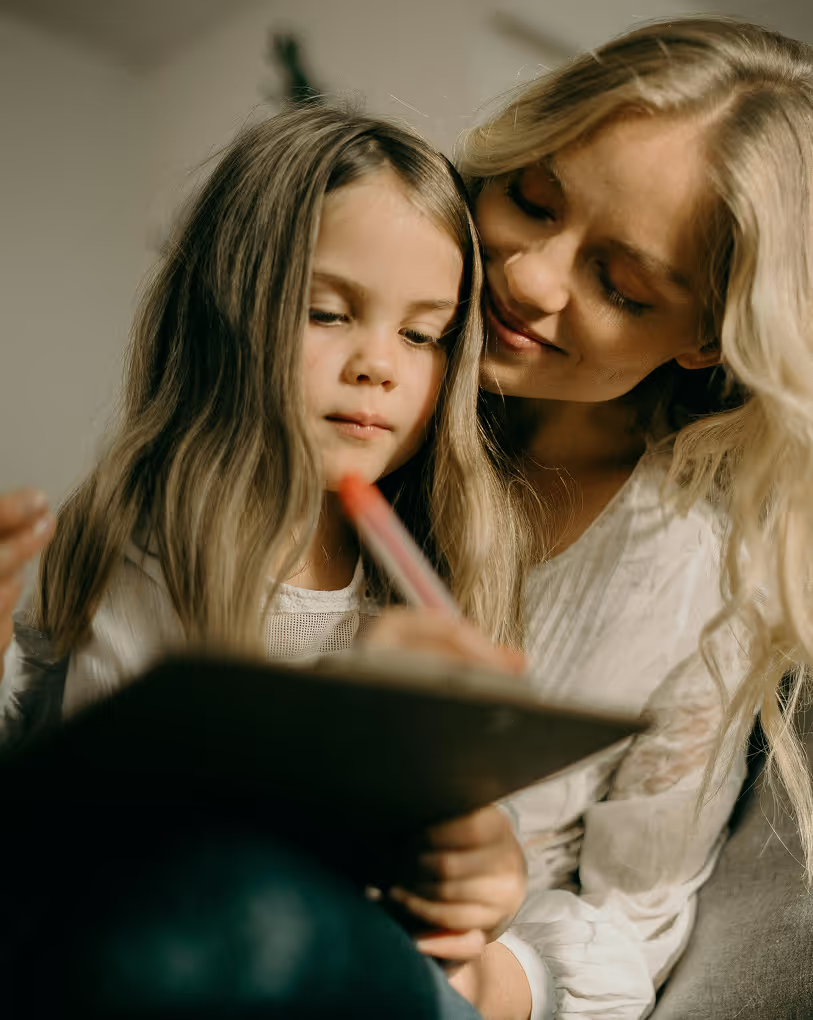
Healthy relationships begin when people feel seen, heard, respected, and safe enough to be honest. We help create environments where vulnerability becomes strength instead of risk.

Lasting relationships aren't built through grand gestures. They're shaped through everyday acts of showing up, keeping promises, and choosing one another again and again.
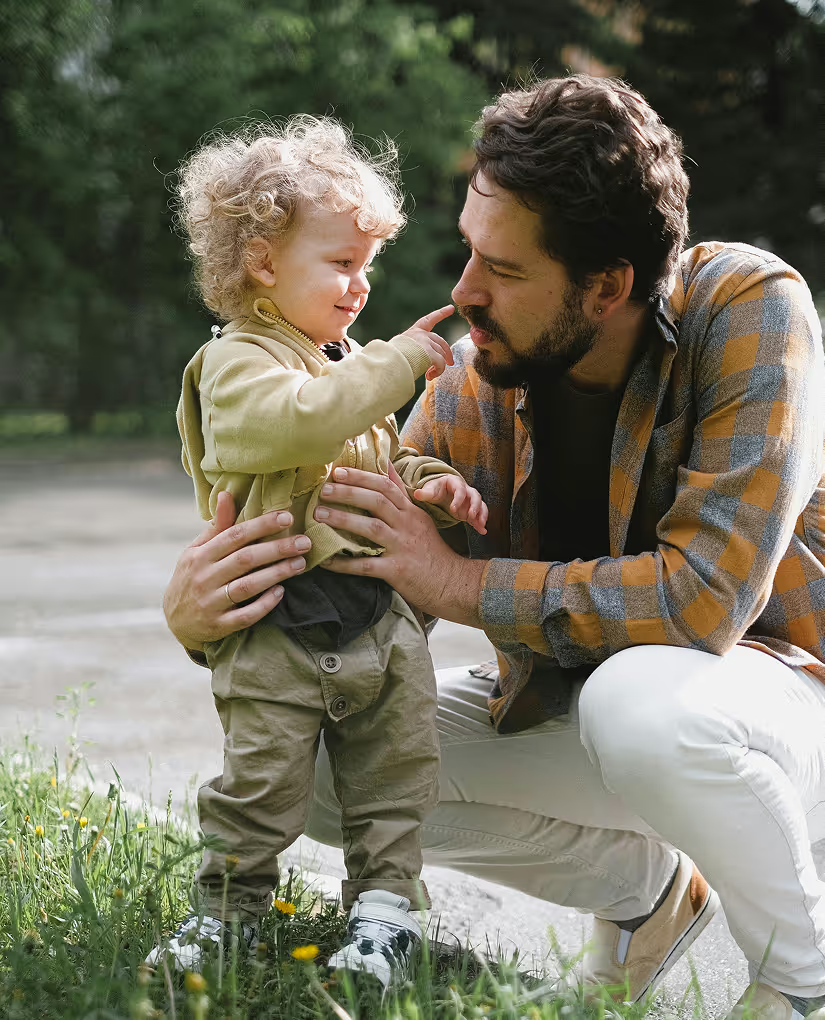
Every healthy habit, repaired relationship, and strengthened family has the power to reshape the next generation. We believe the greatest legacy we leave is how we love those closest to us.
Whether you’re trying to strengthen your marriage, become a healthier parent, heal from the past, or simply take the next step toward a better future — you don’t have to do it alone.


Strong relationships can change generations.