
When “I Don’t Want to Parent” Goes Viral, Kids Still Have to Live There

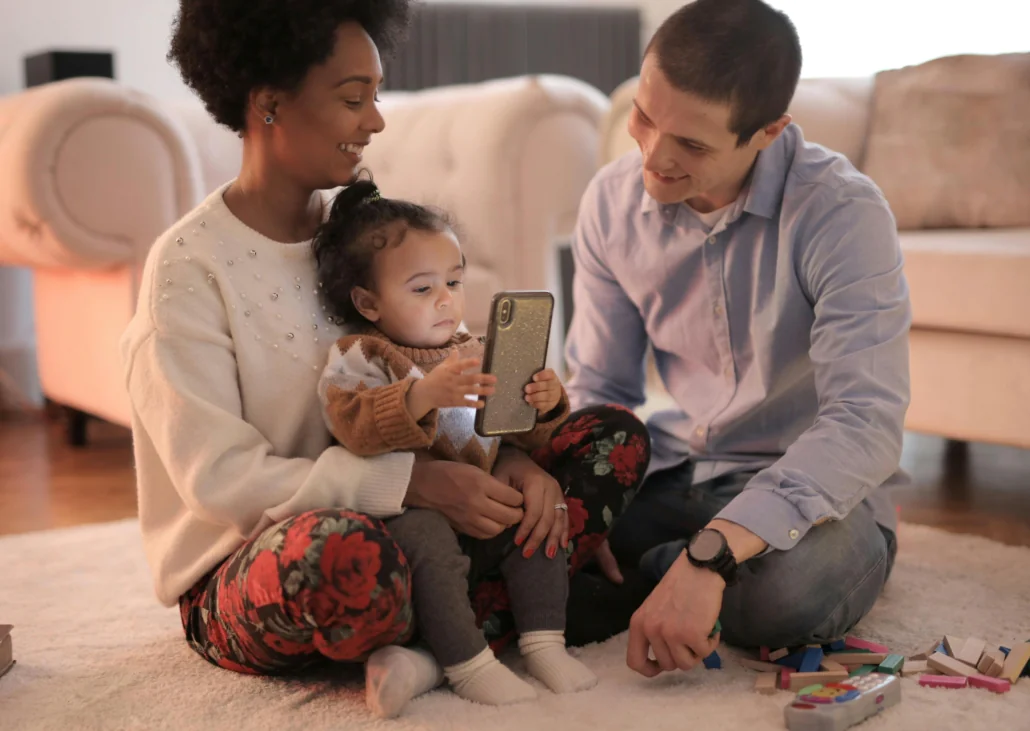
Every few weeks, social media serves up a new kind of honesty: parents saying they love their kids… and also don’t want to be around them.
Not “I need a break,” but “I only have about 10–15 minutes in me a day,” or “I don’t want to play,” or “My kids irritate me nonstop.”
I believe parents should be able to say out loud: This is hard. We should be able to confess the parts that feel boring, repetitive, loud, sticky, and mentally exhausting. We should be able to admit that sometimes we do not want to build the Lego city, host the 17th tea party, or hear one more dramatic retelling of a playground injustice.
But here’s the line I don’t want us to cross: normalizing the feeling is healthy. Normalizing the withdrawal is not.
Because kids don’t experience our disengagement as a trendy hot take. They experience it as their home.
And right now, families are carrying a lot. In 2024, the U.S. Surgeon General released an advisory focused on parents’ mental health and well-being, pointing to high stress levels among parents and calling for stronger support systems. That doesn’t surprise anyone who has ever tried to answer work emails while cutting grapes into legally safe sizes.
That same advisory highlights something else that matters: many parents are not just tired, they’re lonely. When you parent in isolation, every normal challenge feels like a personal failure. And when parenting starts to feel like constant failure, emotional distancing can start to feel like relief.
Psychologists even have a name for a pattern that includes this kind of chronic exhaustion and “backing away” emotionally: parental burnout. Researchers describe it as intense exhaustion related to parenting, emotional distancing from your children, and feeling like you’re not the parent you used to be. And here’s the part that should sober all of us: studies have linked parental burnout with higher risks of neglectful and harmful parenting behaviors, not because most parents want to hurt their kids, but because overwhelm can erode self-control and compassion.
So when the internet shrugs and says, “It’s fine to check out,” I want to say, gently but clearly: it may be common, but it’s not harmless.
Now, about that “10 minutes a day” idea.
Focused time matters. A short window of undistracted attention, phone down, eyes up, child-led, can be powerful. But it’s not a magic spell that covers the other 23 hours and 50 minutes.
Even research on parent-child time tends to land in a nuanced place: quantity of time isn’t the only ingredient. In some studies, the amount of time moms spend with children isn’t strongly tied to every outcome people assume it is, especially once you account for the bigger picture of resources and family context.
But nuance is not the same as permission to disappear.
Kids don’t only need “connection time.” They also need availability through a parent who is emotionally reachable enough to notice, respond, repair, and guide. In early childhood especially, Harvard’s Center on the Developing Child describes “serve and return” interactions (those back-and-forth exchanges between a child and a caring adult) as a key building block for healthy brain development.
That doesn’t require you to be Mary Poppins all day. It does mean your child should not feel like they have to audition for your attention.
So what do we normalize instead?
Let’s normalize saying: “I’m maxed out.”
Let’s normalize saying: “I feel irritated.”
Let’s normalize saying: “I need help.”
And then let’s normalize doing the next part, the part social media rarely films:
Finding a safe place to tell the truth without making your child pay for it.
Sometimes that safe place is a friend who won’t judge you. Sometimes it’s a parenting group, a faith community, a coach, a therapist, or a support circle where people can say, “Me too,” and then move toward skills and support, not just venting and resignation.
Because here’s what worries me: we are raising kids in a culture that already preaches individualism like a religion. “Protect your peace.” “Choose yourself.” “Do what’s best for you.” Some of that language has helped people escape truly toxic situations. But applied carelessly to parenting, it can turn into something ugly: My comfort is the highest good, even when I’m the adult and you’re the child.
Parenthood changes your identity. Not because you stop being you, but because you become you-with-responsibility. Love isn’t only a feeling; it’s a practice. And kids can’t thrive on a practice we only do when we feel like it.
If you’re reading this and thinking, “I relate a little too much,” I’m not here to shame you. I’m here to name what might be true: you may be depleted, depressed, anxious, unsupported, or burned out. And you deserve help.
But your child deserves something too: a parent who doesn’t just normalize the urge to check out, who learns how to come back.
Not perfect. Not performing. Just present.
Lauren Hall is the President and CEO of First Things First. Contact her at lauren@firstthings.org.
Was This Helpful?
More stuff you'll love



How to Teach Your Daughters The Importance of Consent
These 5 things can help her protect, assert, and defend herself.



Thoughts? Leave a Comment